Living Worlds
Senior Producer
California Academy of Sciences
Visualization Studio
Fulldome Film 2021
Narrated by Daveed Diggs
What forms might life take in the Solar System and beyond? In the Academy’s newest original planetarium show, see how a deeper understanding of Earth might help us locate other living worlds, light years away.

On earth, life exists in extreme environments, such as inside rocks high in the Atacama desert, exposed to intense ultraviolet radiation. The interior of such a rock can be home to a tiny, hospitable “nanoclimate“ teeming with microbial life. | California Academy of Sciences
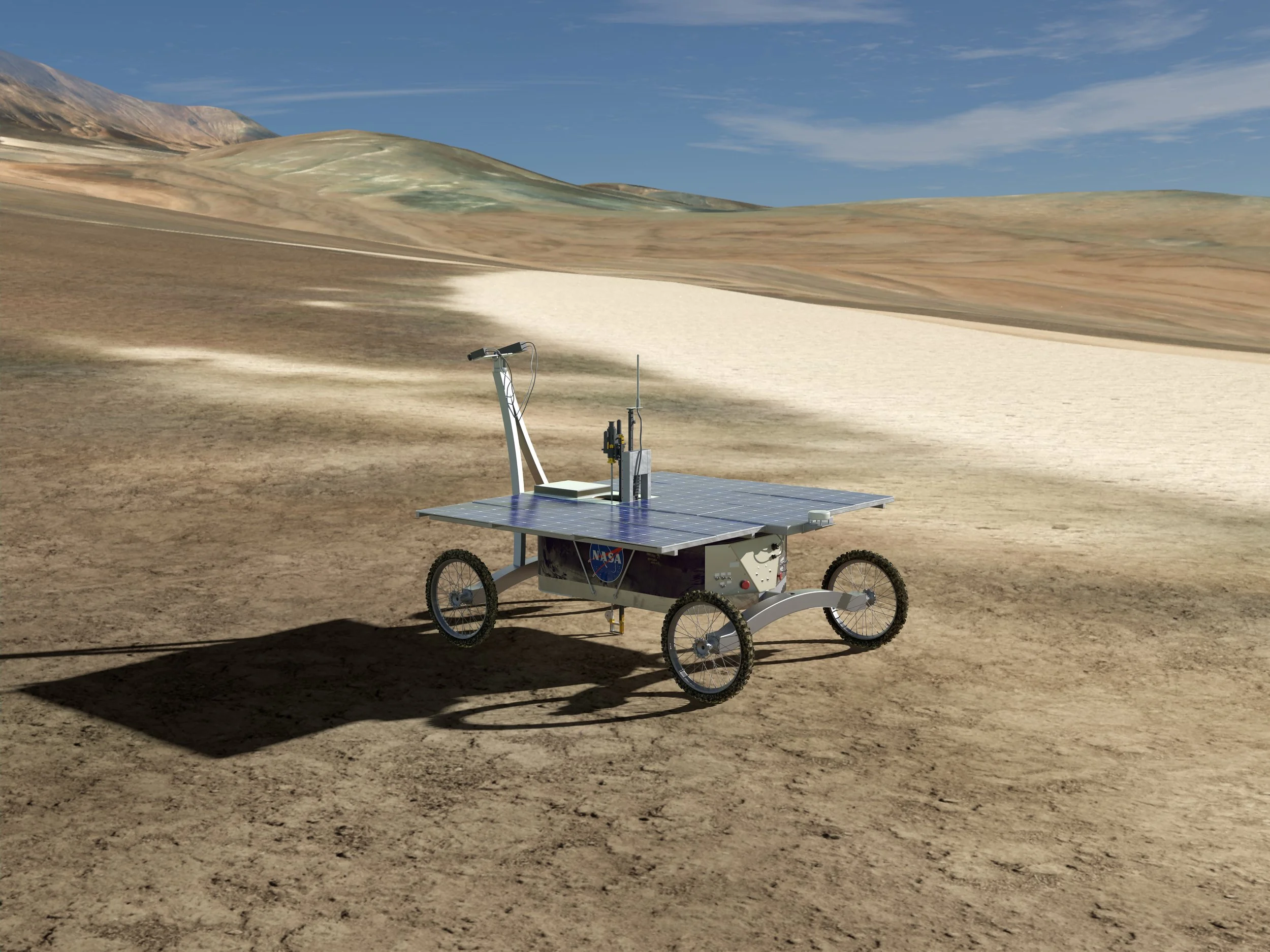
Planetary geologists design rovers to operate autonomously on Mars, achieving specific scientific objectives. Chile’s Atacama desert provides ideal conditions to test these designs on Earth. | NASA / Carnegie Mellon University / California Academy of Sciences
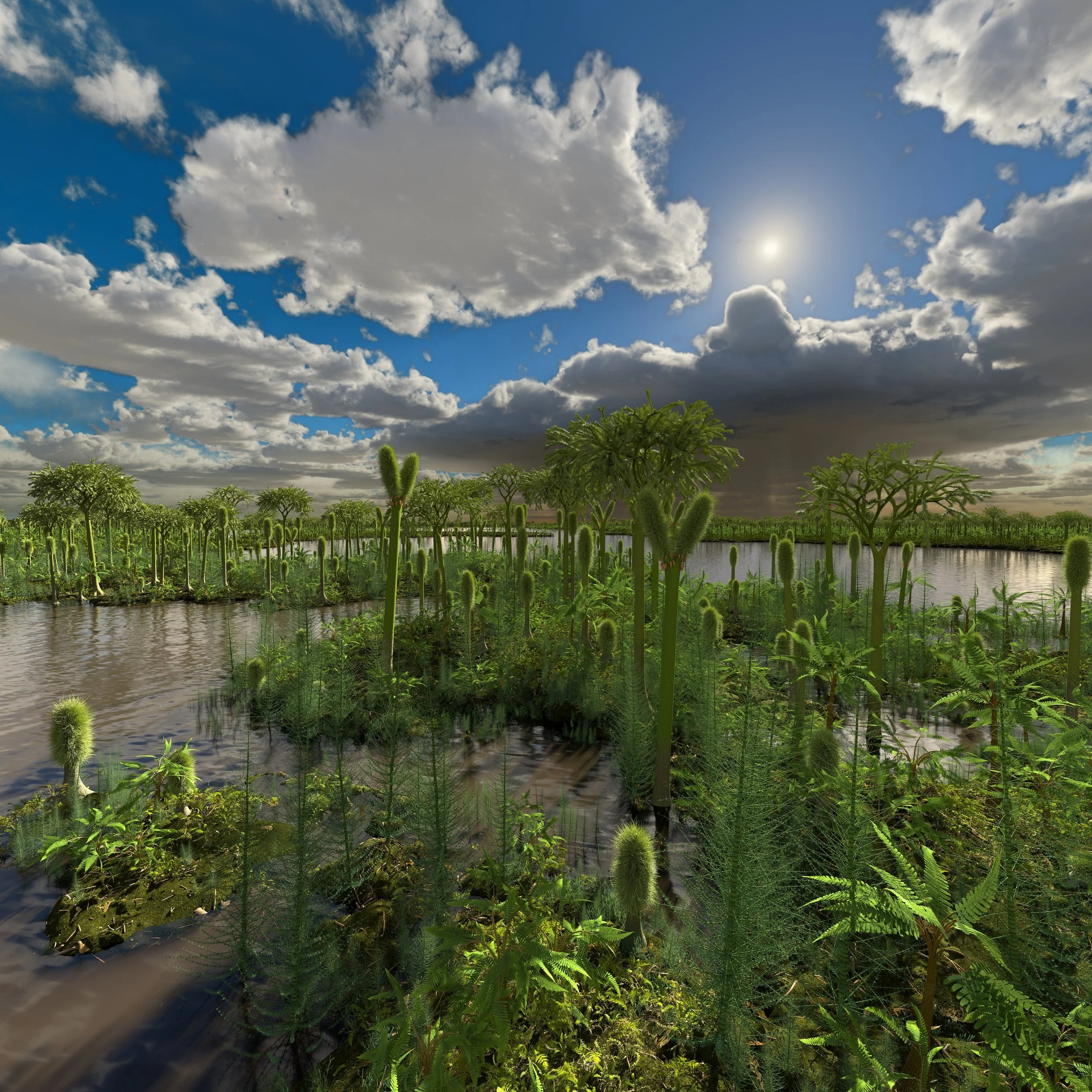
More than 300 million years ago, during the Carboniferous Era, the first forests took root on land. They transformed rock into soil and helped create the world we know today. | California Academy of Sciences
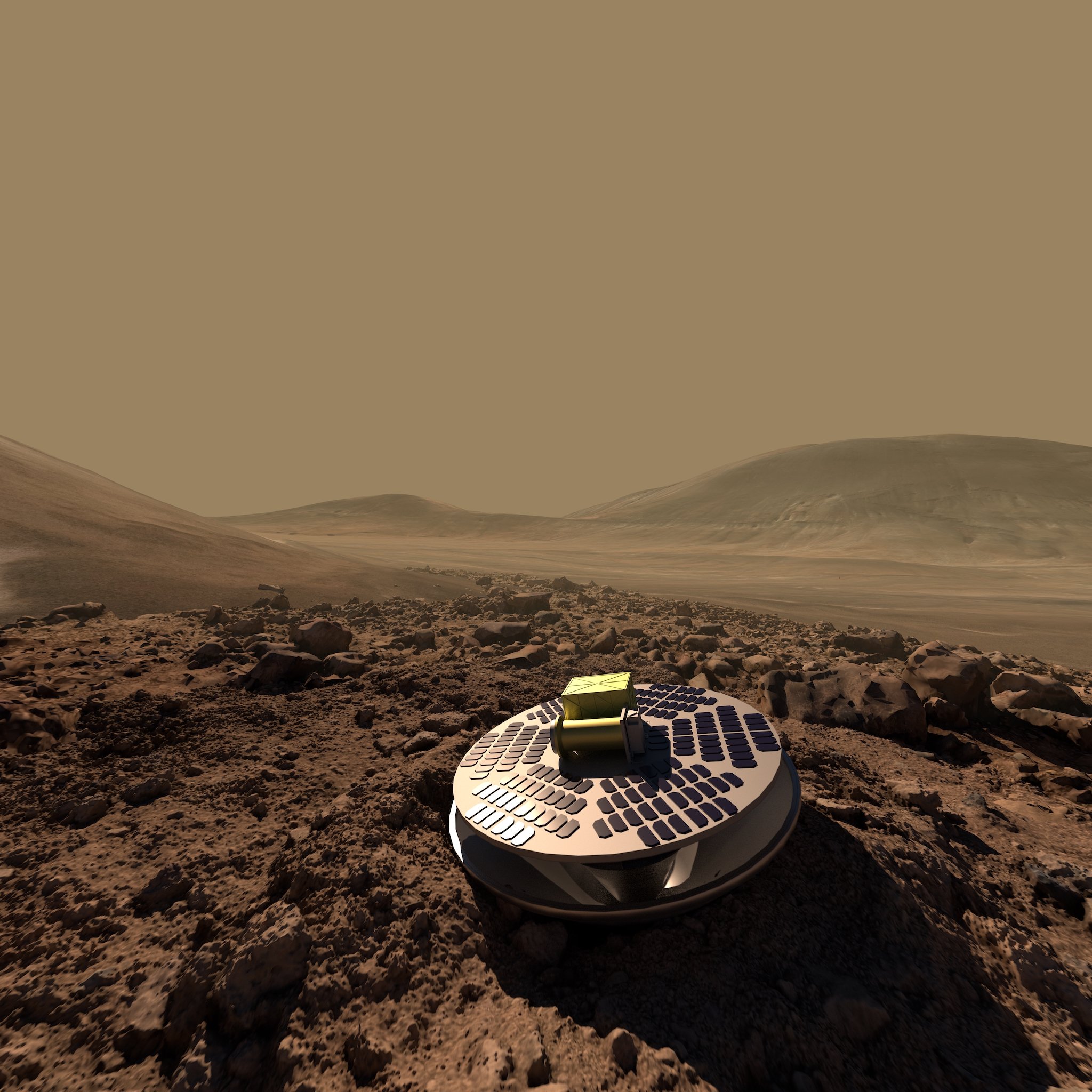
NASA devises numerous plans for how to get instruments to the martian surface. One of those is the Small High Impact Energy Landing Device (SHIELD) concept, which would provide a relatively inexpensive way to deliver rugged technology that can survive a rapid descent onto the Red Planet. | NASA / JPL / California Academy of Sciences
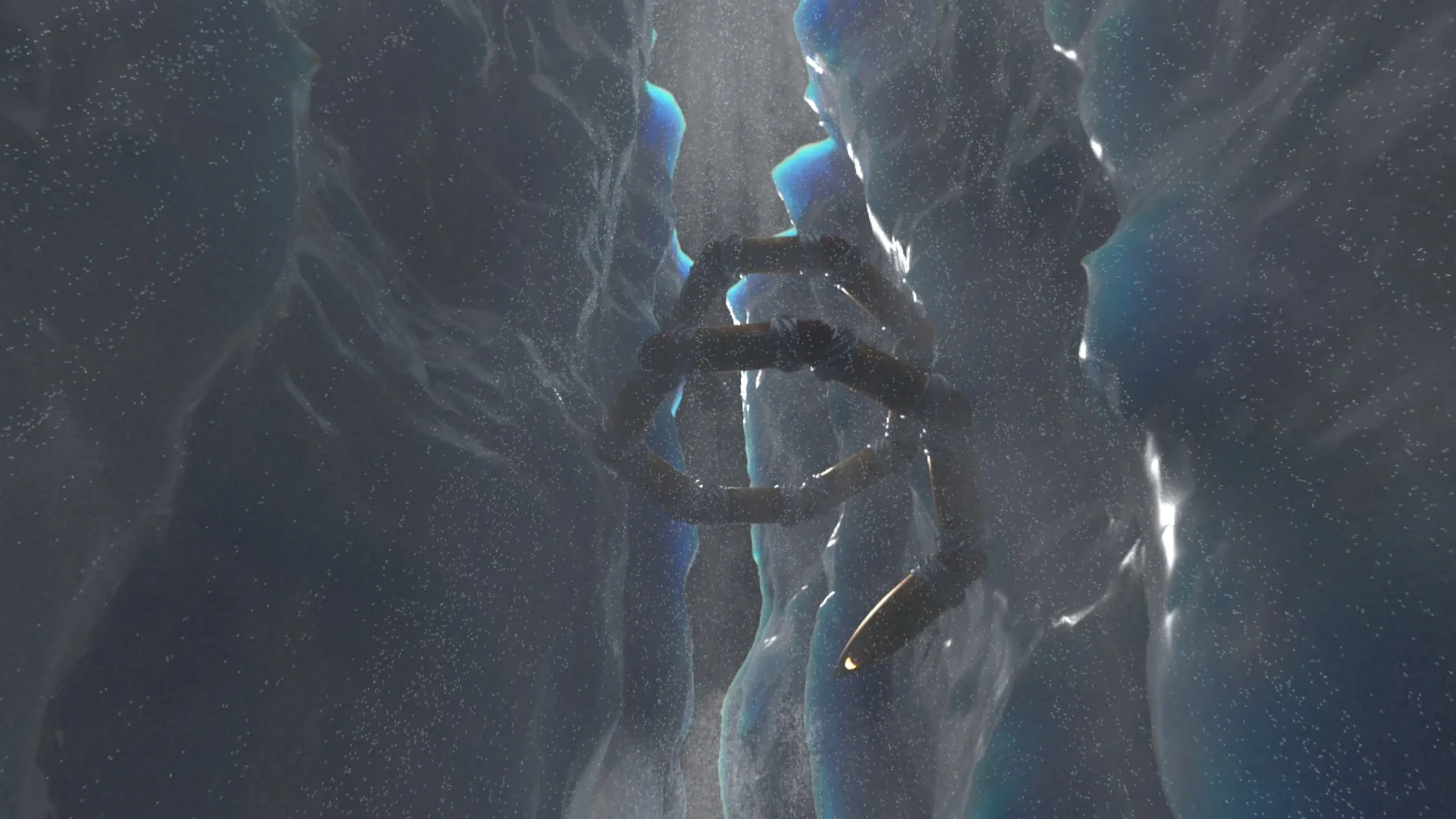
The Exobiology Extant Life Surveyor (EELS) is designed to navigate down the deep crevasses of Saturn’s moon Enceladus, which shows signs of organic chemistry emerging from vents near its south pole. | NASA / JPL / California Academy of Sciences
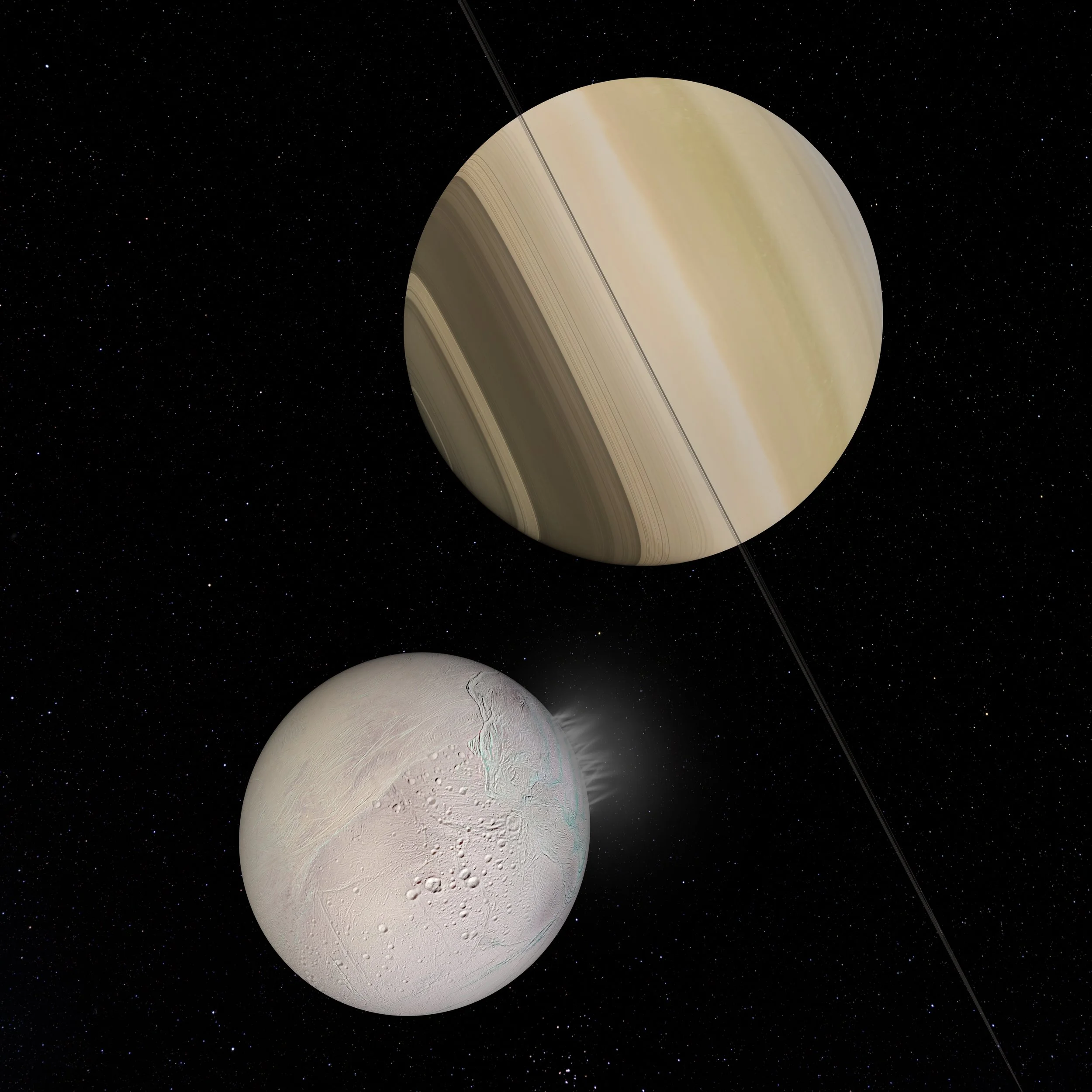
In this view of Saturn’s moon Enceladus, you can easily spot the geysers erupting from around its south pole. When the Cassini spacecraft passed through these jets, it detected organic compounds that suggest that the building blocks of life exist in the moon’s subsurface ocean. | Paul Schenk / Lunar and Planetary Institute / California Academy of Sciences
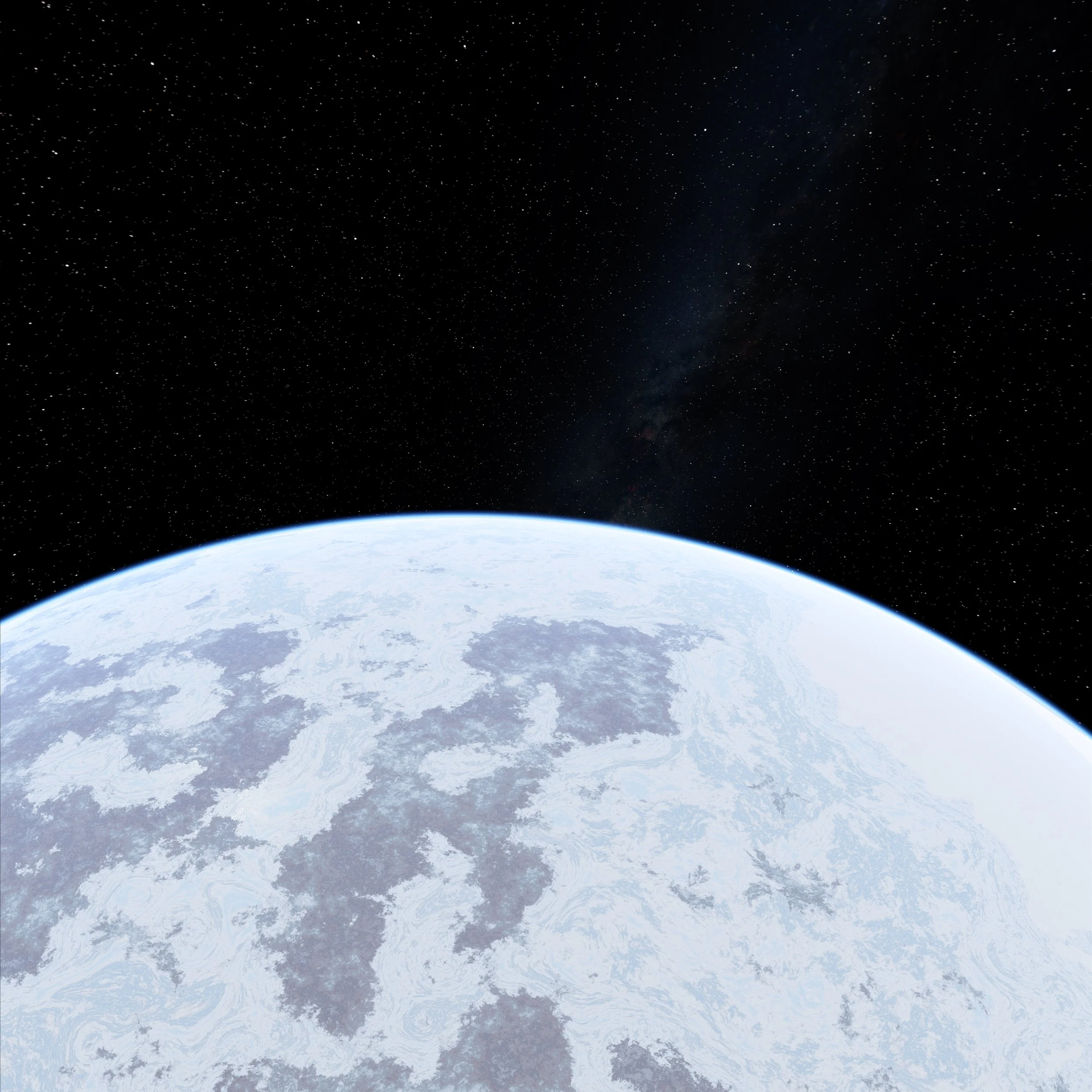
More than 2 billion years ago, Earth was plunged into a deep freeze, and scientists suspect microbes were responsible. Among other things, tiny photosynthetic organisms could have produced enough oxygen to convert the abundant atmospheric methane into carbon dioxide and water, bringing below-zero temperatures to much of the planet. | California Academy of Sciences
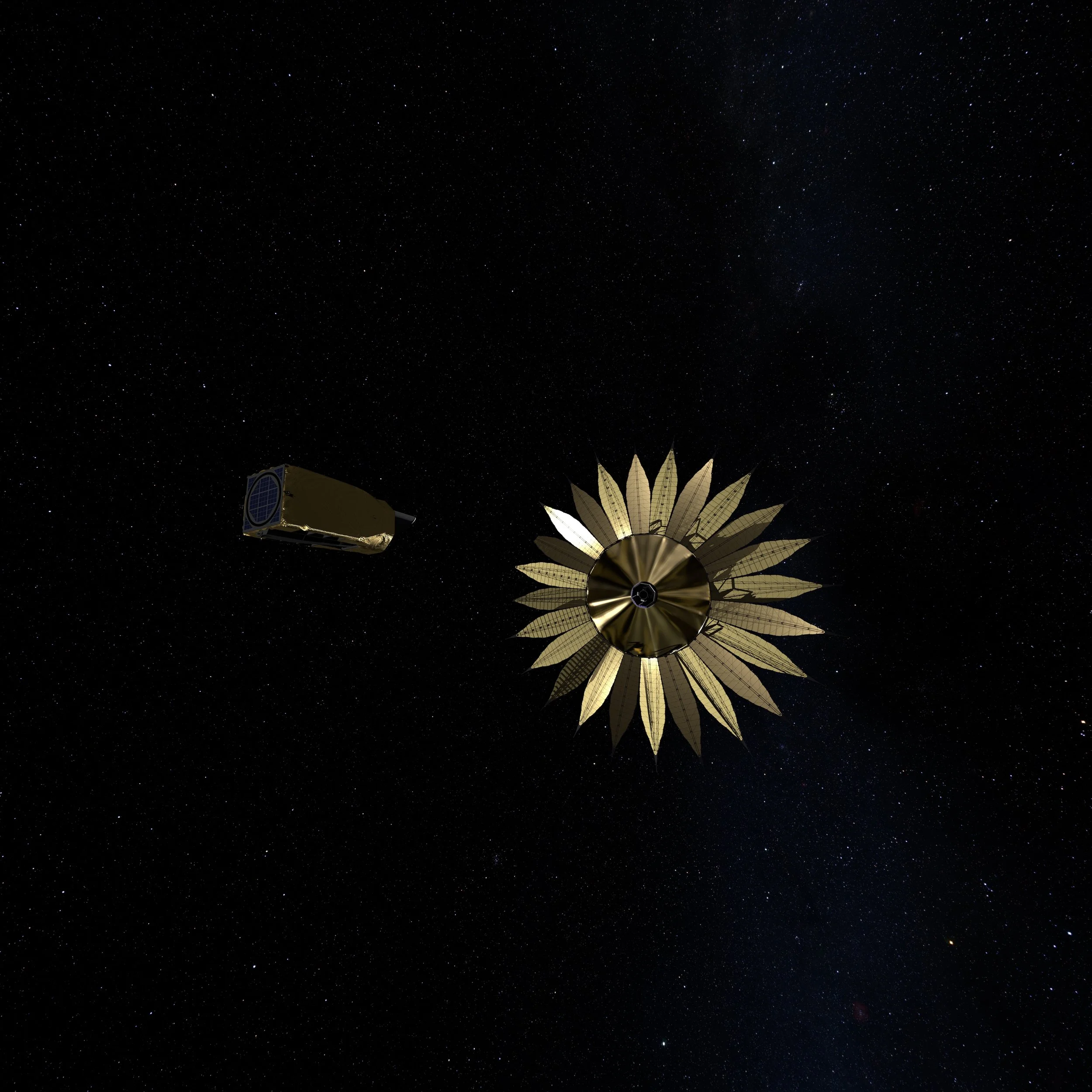
Spotting a dim planet around its bright parent star is an especially tricky technical challenge. One proposed solution is to deploy a giant, specially-shaped “starshade” that would block the light of the star, revealing any planets in orbit around it. | Tim Pyle, Juan Vargas / Caltech / IPAC / California Academy of Sciences
Production Case Study: Living Worlds — Pioneering Secure Remote Specialized Venue Workflows and Equitable Licensing Paradigms
Production Role: Senior Producer
Capital & Philanthropic Alliances: The Gordon and Betty Moore Foundation
Social Impact Metrics: 10 Under-Resourced Global Planetariums Awarded Free 10-Year Educational Exhibition Licenses
Workspace Frameworks Built: Secure Dome Telemetry Remote Video Network Integration, Automated Zoom Advisor Data Transcript Pipelines, Dual-Pipeline Project Overlap Matrices (Big Astronomy / Living Worlds)
Software Ecosystem Managed: Houdini, Nuke, Blender, Zoom Video Integration Networks, Enterprise Secure Remote Access Software
Theatrical Specifications: Feature Fulldome Film | Distributed via Global Special Venue Networks
Hybrid Telemetry & Secure Specialized Venue Workflows
The onset of global lockdowns required the studio to completely reinvent its daily post-production mechanics. Because planetarium cinema demands strict visual vetting inside a physical 75-foot digital dome, standard remote video streaming tools were fundamentally insufficient. To bridge this gap, production coordinated the procurement and engineering installation of a high-resolution, secure internal dome camera network. This allowed remote technical directors and animators to log into a secure stream from home to evaluate spatial distortions and visual fidelity in real time. As the studio transitioned into a restricted hybrid model, strict social-distancing parameters were maintained by integrating on-site laptops dedicated entirely to multi-cam Zoom coordination—shielding the physical workspace while allowing essential technical stakeholders to safely collaborate during daily asset reviews.
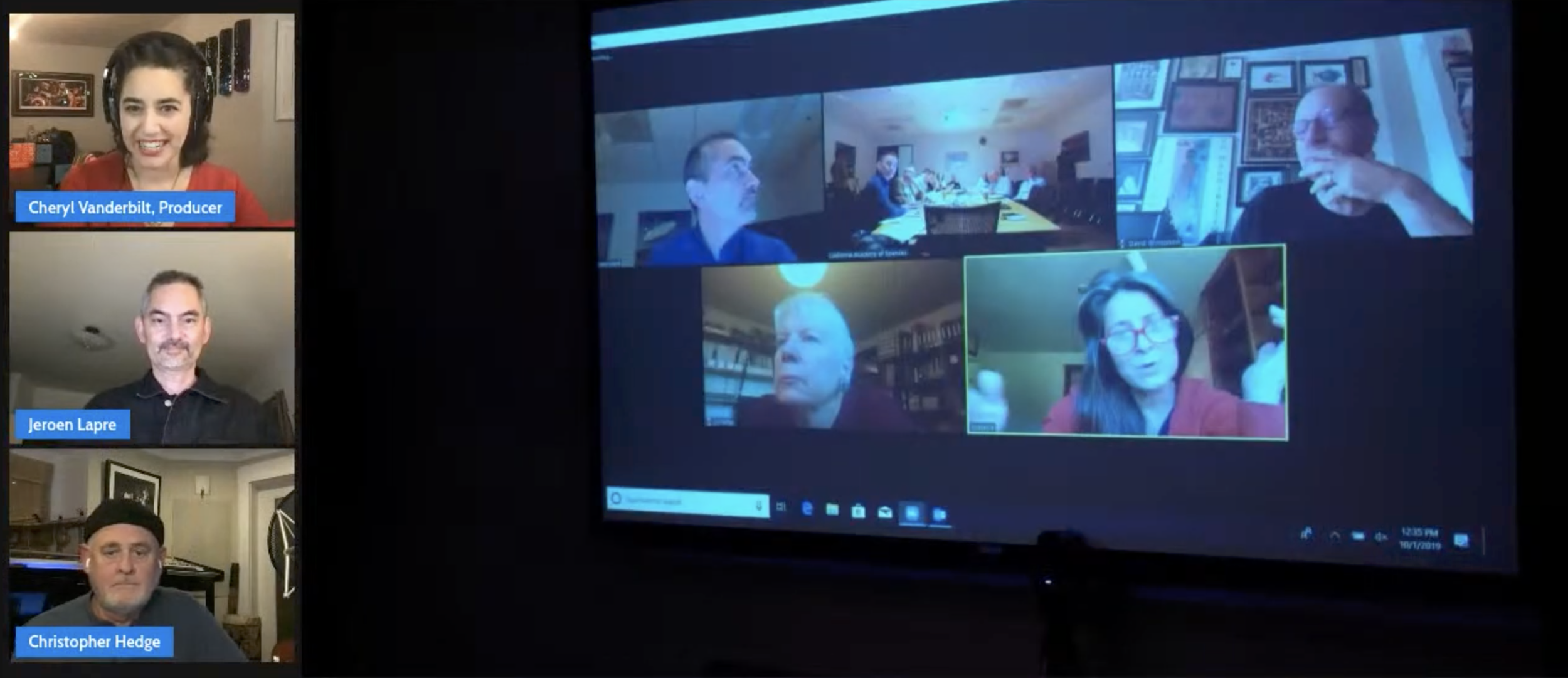
Scale Data: Digital Transcripts & Advisor Workflows
Operating under lean budget parameters that precluded hiring a dedicated production coordinator to capture complex scientific consultations, the team turned remote communication limits into an operational advantage. With the formal permission of external scientific advisory panels, all deep-space research data and astrophysics review sessions were systematically recorded via digital teleconferencing platforms. These sessions were then mapped into a structured post-production database, converting raw audio into text transcripts and video asset breakdowns. This gave the animation, lighting, and visual effects teams instant, searchable access to complex empirical data, radically improving scientific accuracy and establishing a permanent, high-fidelity research catalog for iterative asset development.
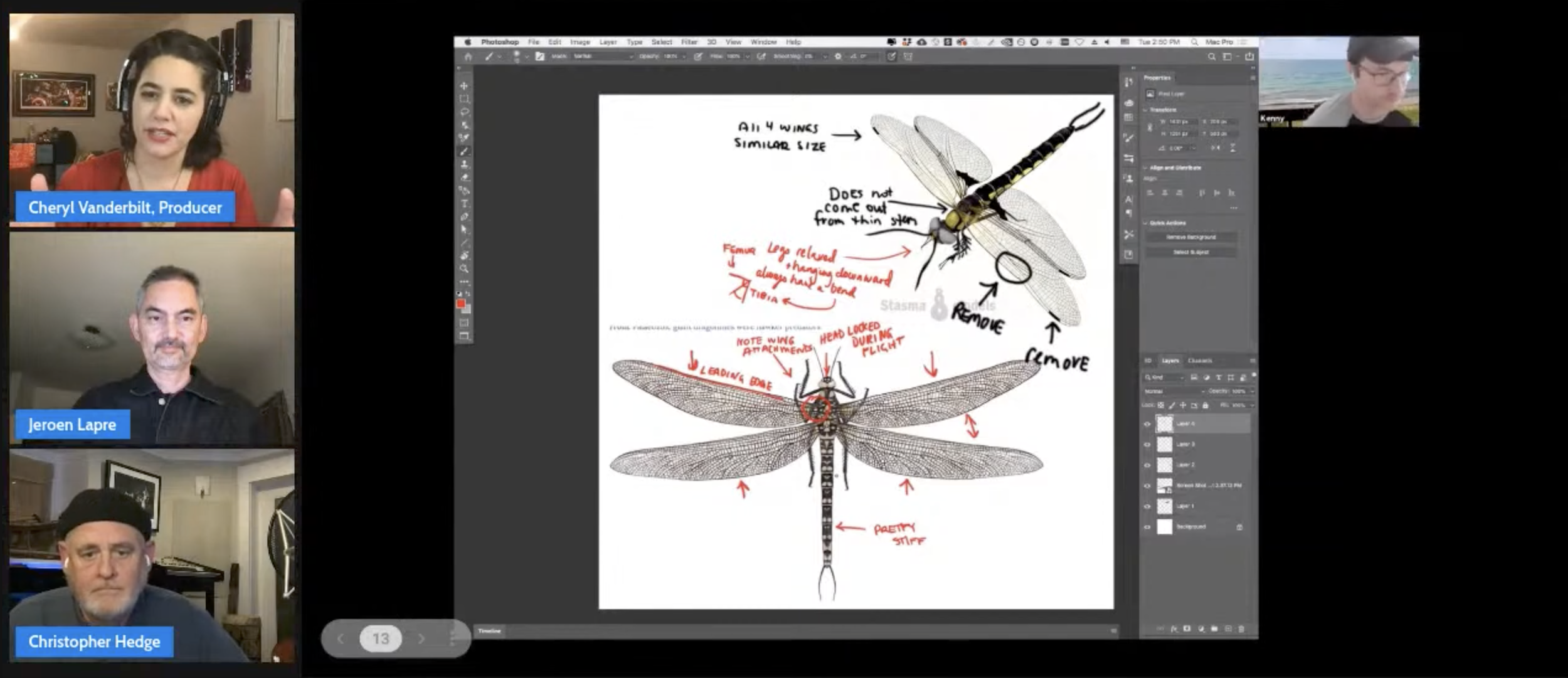
Multi-Tier Project Overlaps Under Crisis Pressures
The timeline for Living Worlds required managing a high-stakes, multi-project studio layout. The disruptions of the early pandemic directly delayed the completion and distribution of the preceding feature, Big Astronomy. To protect institutional capital, production balanced resources across a dual-pipeline infrastructure, running active pre-production and asset design for Living Worlds while concurrently driving the late-stage post-production and technical synchronization needed to bring Big Astronomy to final lock. This flat, highly communicative management framework allowed the core studio team to absorb compounding external deadlines without compromising the artistic scale of either flagship asset.
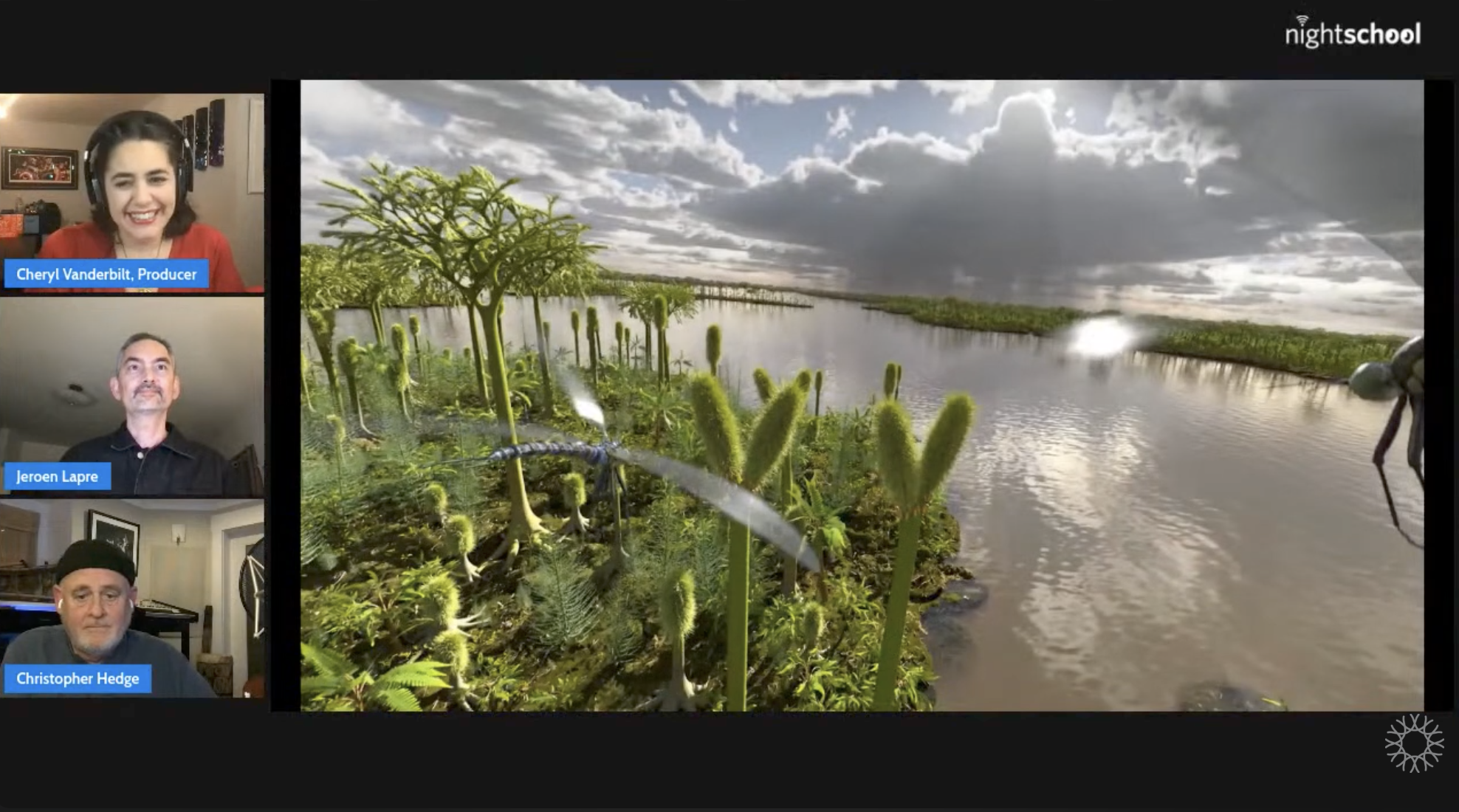
The Moore Foundation Philanthropic Distribution Infrastructure
To insulate the film’s multi-scale post-production budget, a strategic alliance was sustained with The Gordon and Betty Moore Foundation, securing capital that fully subsidized final production, curriculum design, and global distribution. Beyond traditional financing, we pitched and piloted a groundbreaking, equitable B2B licensing test program. Recognizing that low-income municipal regions were structurally locked out of premium educational cinema due to high licensing fee frameworks, we developed a specialized application and impact-evaluation matrix. Through this foundation-subsidized initiative, ten global planetariums serving under-resourced communities were awarded free, comprehensive 10-year exhibition licenses—establishing a scalable model for democratic access to elite science communication.