Spark: The Universe in Us
Senior Producer
California Academy of Sciences
Visualization Studio
Fulldome Film 2023
Narrated by Diego Luna
(in both English & Spanish)
Where did the building blocks of life come from? The answer lies in the hearts of distant stars and incredibly powerful explosions such as supernovae, which help spread fundamental elements to galaxies far and wide where they can spark new life.
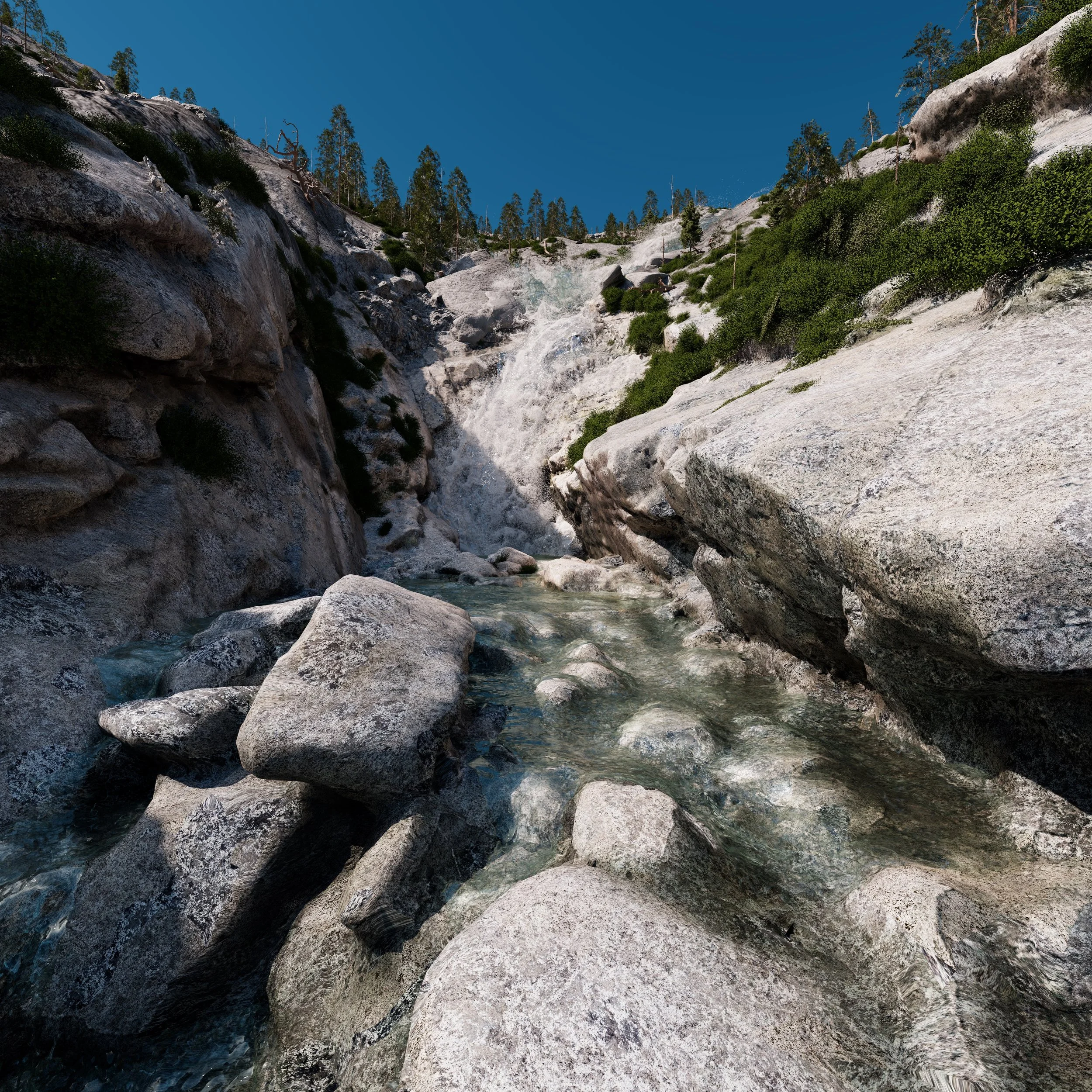
Computer generated images of Horsetail Falls in the Sierra Nevada mountains near Lake Tahoe. | California Academy of Sciences / USGS National Map / USDA National Agricultural Imaging Program
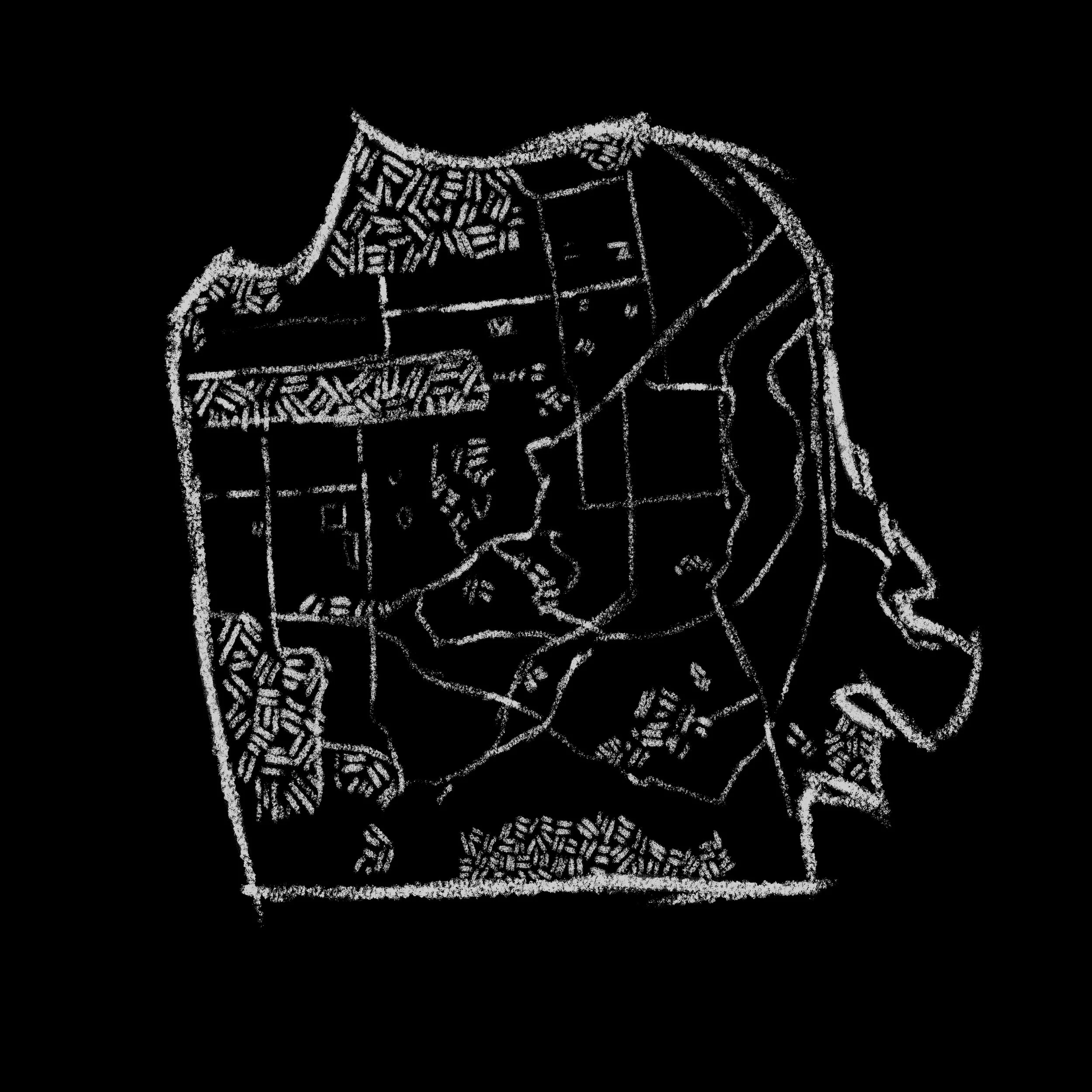
We introduce a series of size comparisons, illustrated in a drawing style that contrasts with the photorealistic visualizations that appear in the show. | California Academy of Sciences)
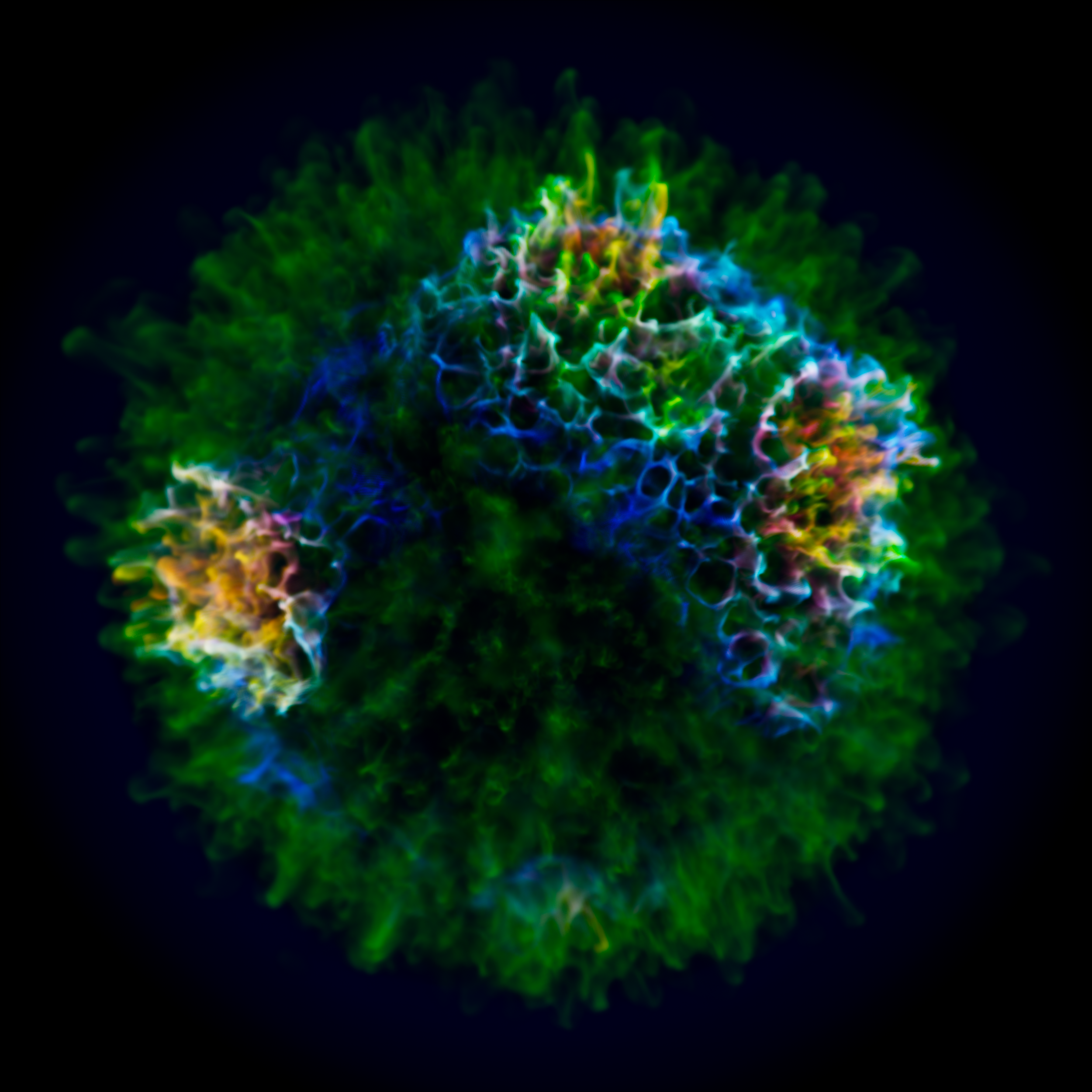
A supernova turns a star inside out, scattering an abundance of elements into space. Cassiopeia A is one such supernova remnant, and this visualization shows a computer simulation of that object, replicating a view in x-rays. | California Academy of Sciences / Salvatore Orlando, Università Ca’ Foscari Venezia
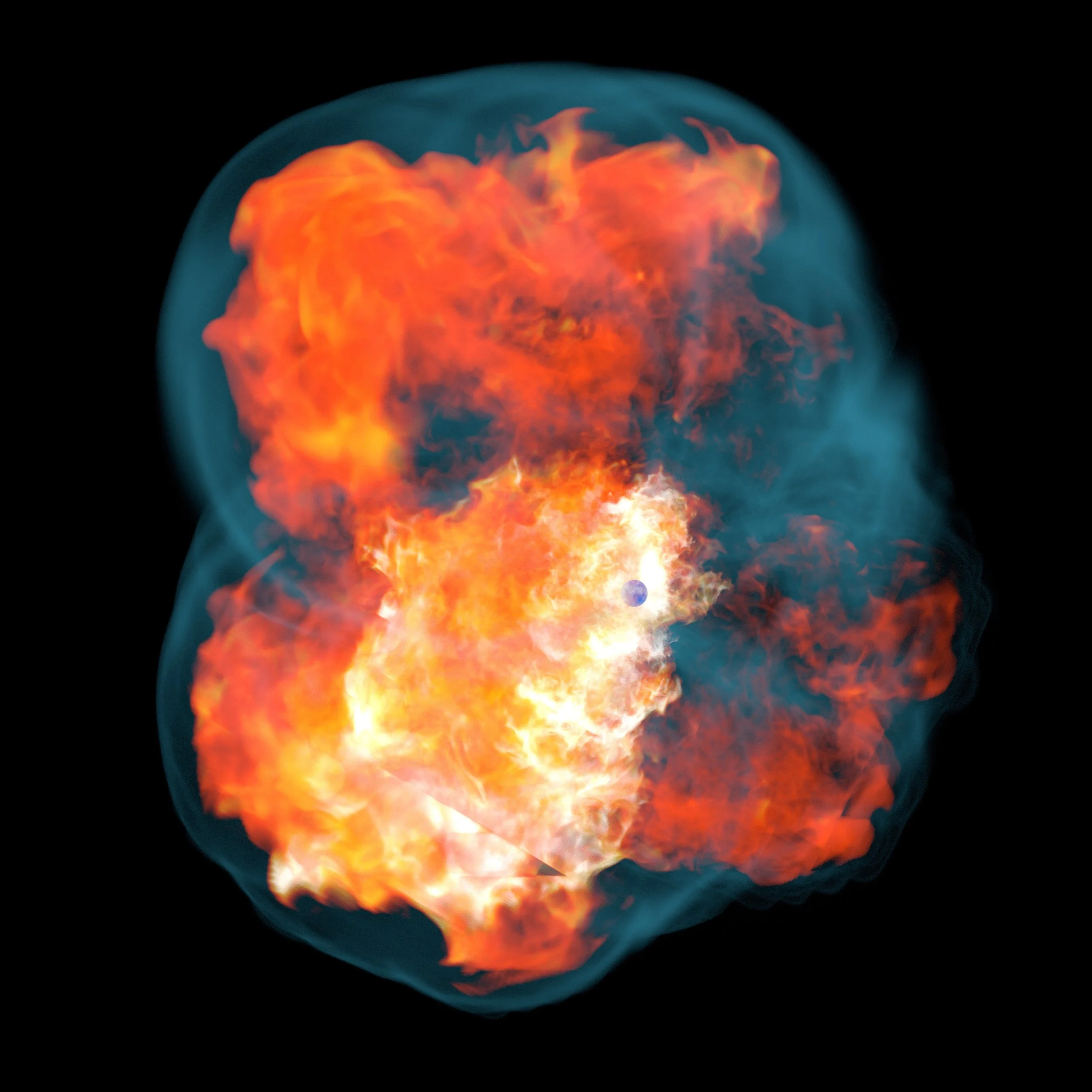
In the final seconds before a supermassive star explodes, its central core collapses, creating a chaotic superheated region just above. In this image, more disordered (higher entropy) regions appear brighter, revealing the turbulent region that will eventually expand to tear the star apart. | California Academy of Sciences / Kuo-Chuan Pan
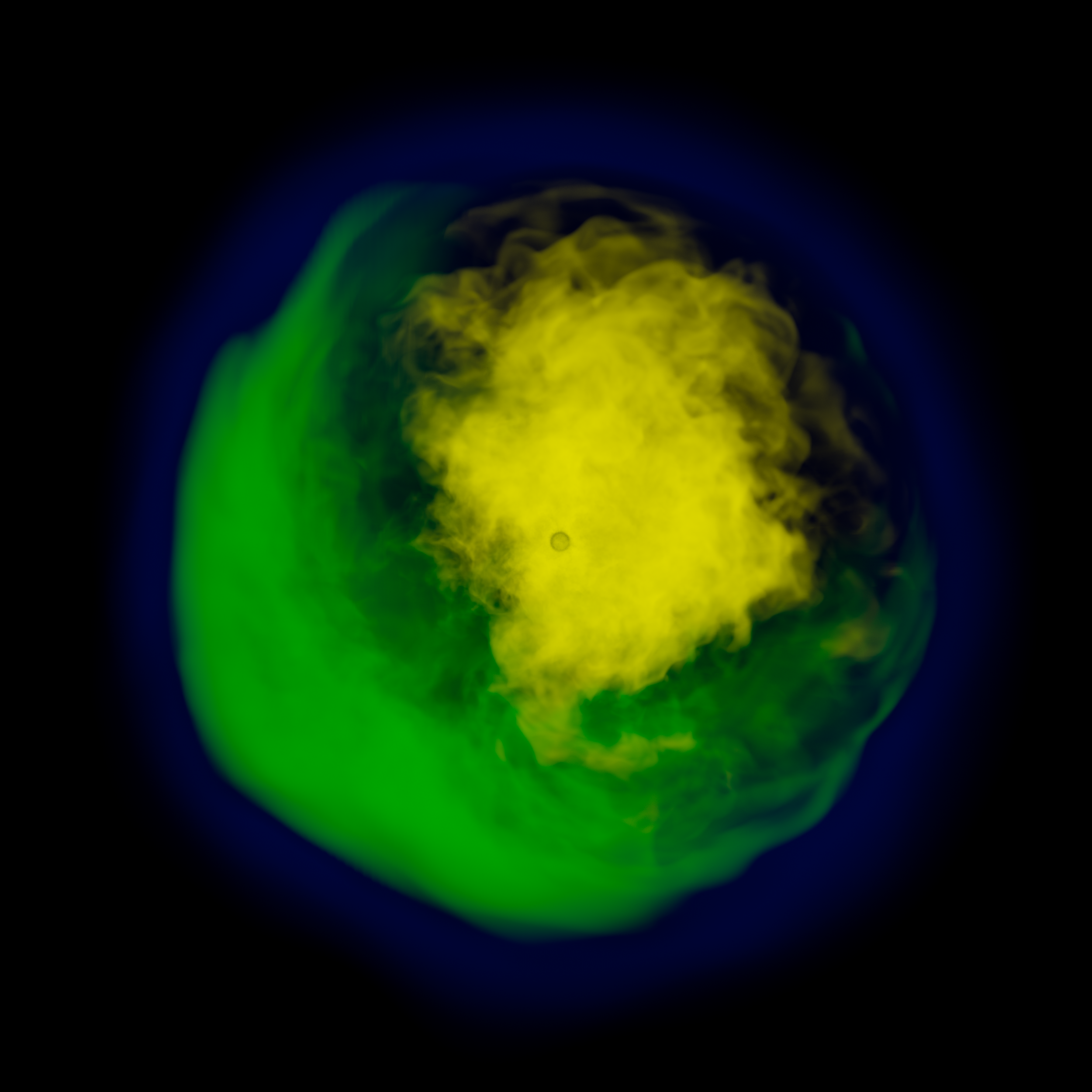
The center of a supermassive star about to go supernova is a chaotic place! This image shows a computer simulation of the shell burning process near the core of a red supergiant, color-coded by the elements present: carbon appears in deep blue, oxygen in green, and silicon in yellow. The star’s iron core is seen at the very center of the image. | California Academy of Sciences / Carl Fields, Los Alamos National Laboratory
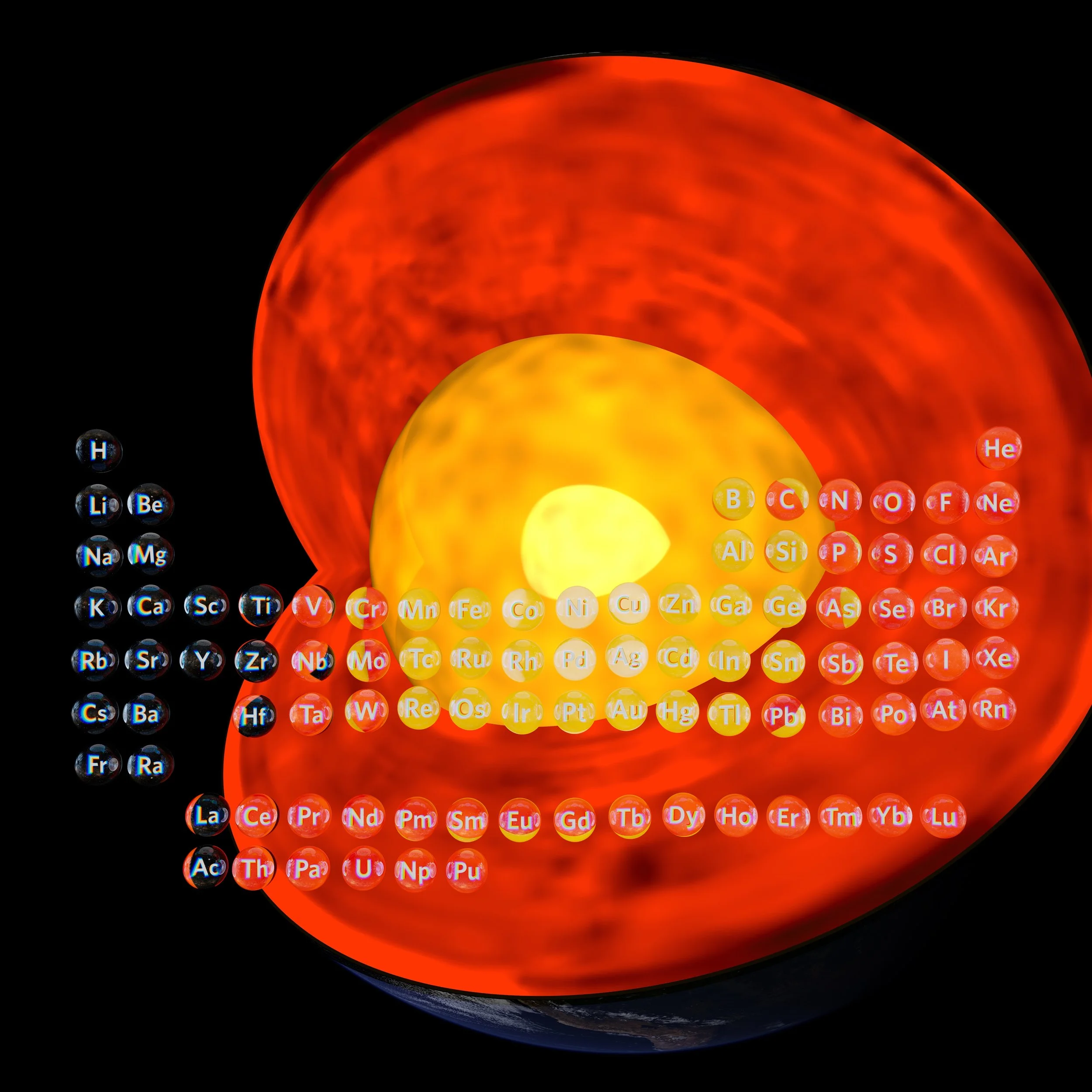
Earth’s habitability depends on many elements—not just the hydrogran and oxygen in our water and air or the carbon in living organisms, but also the iron and nickel in our planet’s core and the thorium and uranium that keep our planet warm. | California Academy of Sciences / Nathan Simmons / Lawrence Livermore National Laboratory
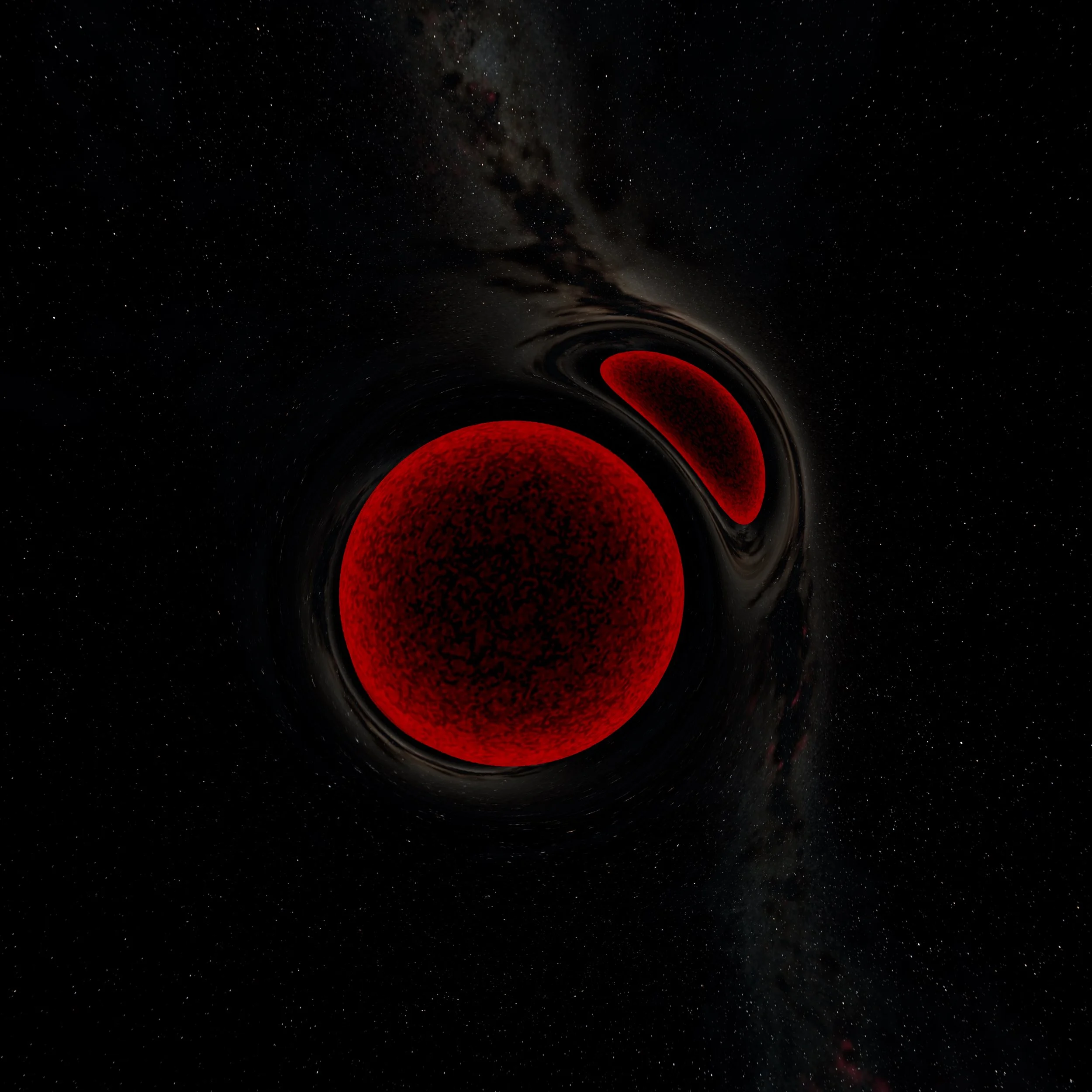
Exploded stellar giants leave behind their ultradense cores—so-called “neutron stars,” so compact that they bend light around them, similar to black holes. This science-driven artist’s interpretation shows two neutron stars that have cooled off and entered into a gravitational death spiral that will end in their mutual annihilation—and the formation of exotic elements, including the thorium and uranium that help keep Earth from cooling off and becoming a potentially lifeless world. | California Academy of Sciences
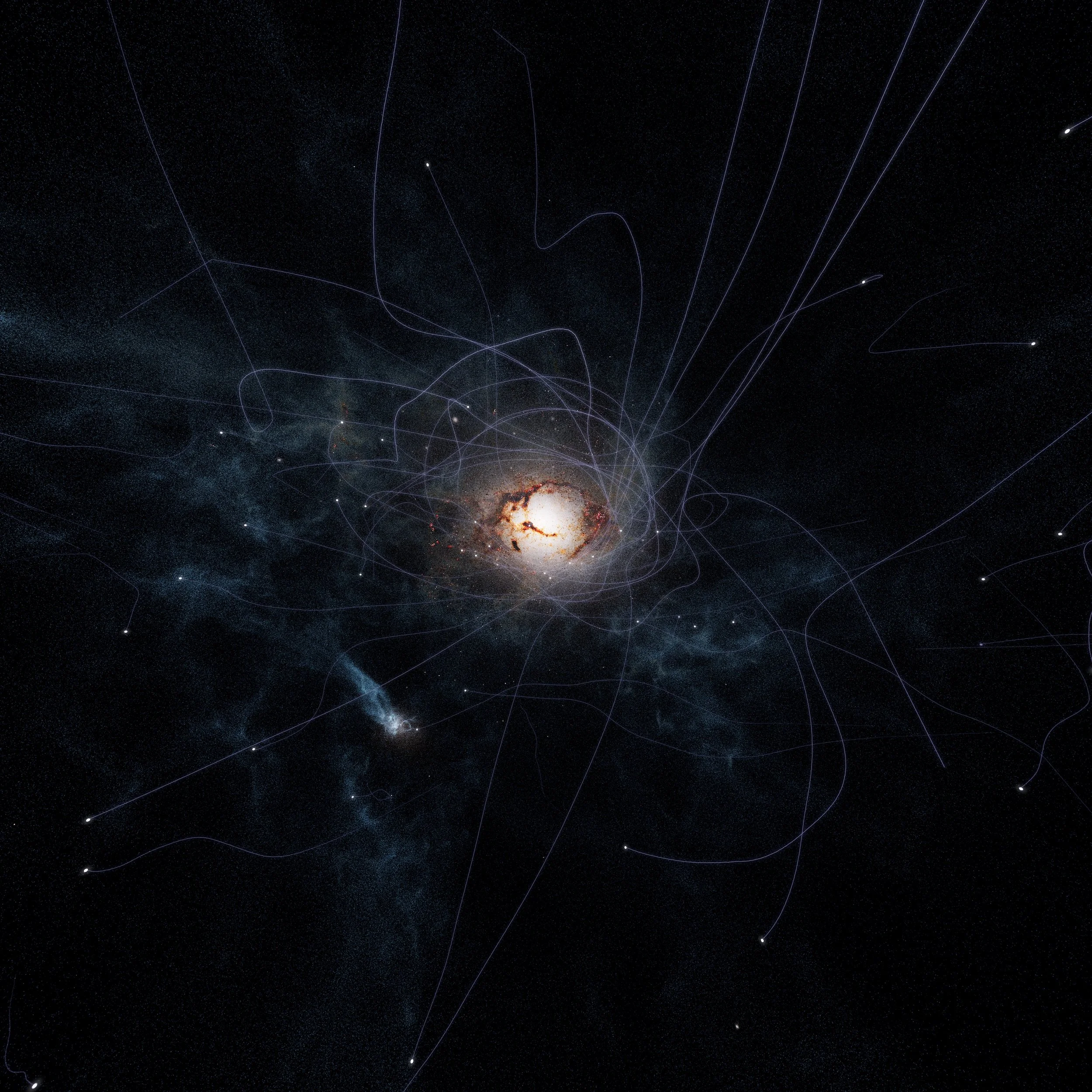
Computer simulations can take us billions of years back in time, tracing the origins of elements that would eventually form the Sun and planets—Earth and us! This image shows how our galaxy might have looked billions of years ago, before the Solar System formed. Lines trace material from our cosmic birthplace backward in time to its origins. | California Academy of Sciences / Cameron Hummels / Phil Hopkins / Feedback in Realistic Environments
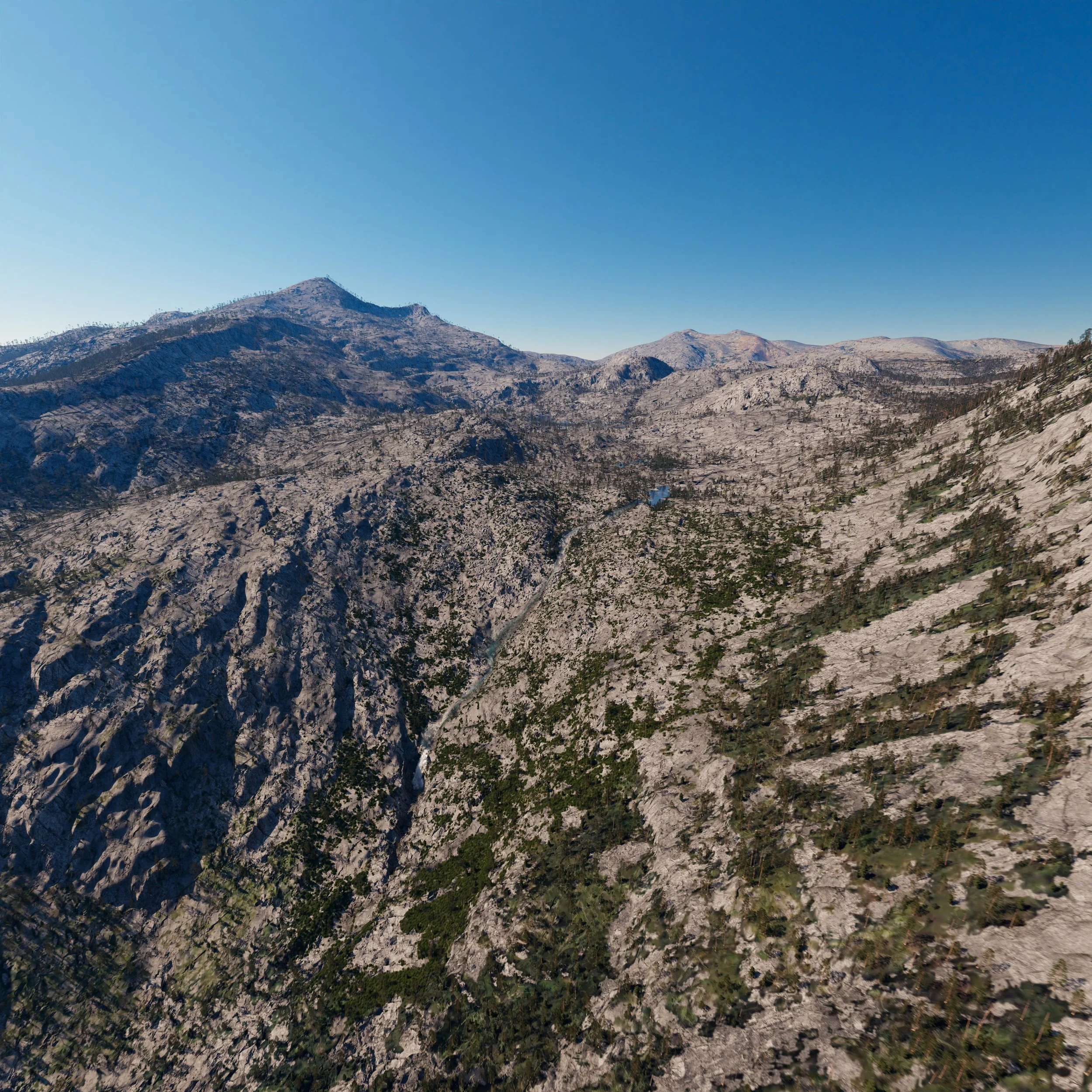
The planetarium show Spark begins and ends in the Sierra Nevadas—at a human scale that grounds audiences in the world around us. Elements in the rocks, plants, water, and air originated inside distant stars, and the familiar setting helps make a recognizable connection to the abstract ideas in the rest of the show. Recreating an immersive view of this location demanded a wide range of visual effects tools and techniques. | California Academy of Sciences / USGS National Map / USDA National Agricultural Imaging Program
Production Case Study: Spark (2023) — Maximizing Lean Studio Operational Models via Scientific Collaboration and Audience UX Testing
Production Role: Senior Producer
Scientific Data & Supercomputing Alliances: National Center for Supercomputing Applications (NCSA) / Advanced Visualization Lab (AVL) at the University of Illinois Urbana-Champaign, RIKEN (Computational Astrophysics Laboratory / Cluster for Pioneering Research)
Institutional & Data Partnerships: National Center for Atmospheric Research (NCAR), National Oceanic and Atmospheric Administration (NOAA), U.S. Geological Survey (USGS)Data Scale Orchestrated: 1.6TB Milky Way Animation Matrix (130M Data Points per Snapshot) / 20TB Physical Storage Logistics Protocol
Pipeline Frameworks Supported: Photogrammetry Engineering (Agisoft Metashape), Omnidirectional 360° Mechanical Pole Capture, Python Custom Scripting, AI-Assisted Code Refactoring, Audience UX Matrix Testing
Software Ecosystem Managed: Blender, Houdini, Nuke, Adobe Creative Cloud, ShotGrid, Excel
Data Ingestion: Multi-Terabyte Supercomputer Orchestration
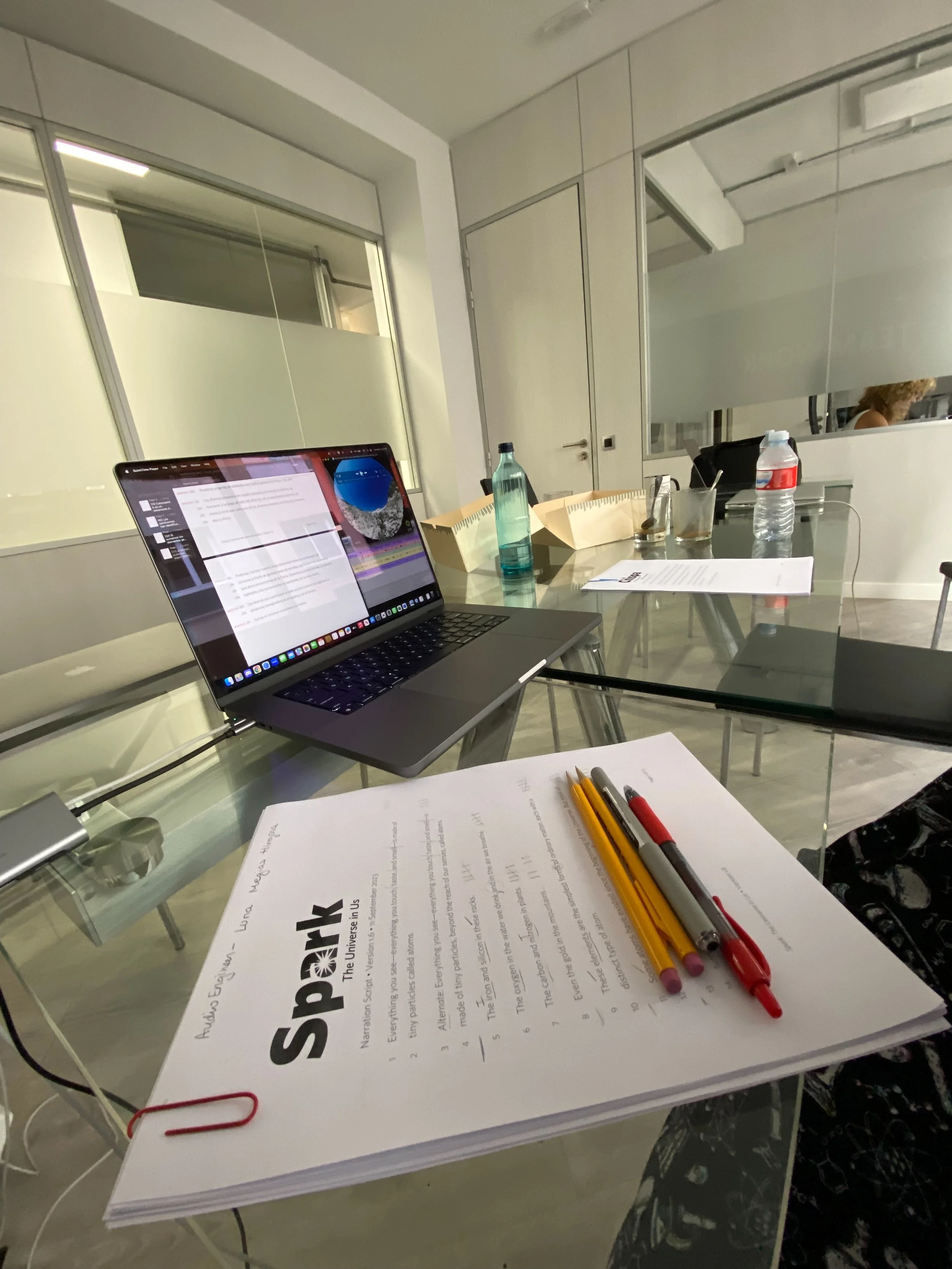
To visualize cosmic evolution with absolute empirical fidelity, the production required a collaborative pipeline capable of ingesting and translating over 1.6 terabytes of raw astrophysical simulation data. For a critical two-minute time-lapse of the Milky Way, the animation team mapped a massive data matrix consisting of multiple chronological 'snapshots' provided by external research laboratories—with each individual snapshot containing over 130 million points. Because scientific datasets are delivered in non-standard, custom formats, the studio's technical directors wrote custom Python translation scripts to convert raw scientific telemetry into formats readable by Houdini, Blender, and Nuke. To circumvent severe internet bandwidth limitations, production logistics were engineered to deploy 20TB high-density physical storage arrays directly to the research institutions, bypassing public cloud latency to safely secure the core simulation assets.
Field Photogrammetry: Non-Traditional Spatial Innovation
Facing strict Federal legal restrictions barring the deployment of drone photography within the protected Desolation Wilderness of the Sierra Nevada mountains, the team engineered a highly creative, non-traditional field capture methodology to map the opening scene’s waterfall gorge. Production supported the technical crew in building a lightweight, carbon-fiber pole-mounted rig utilizing an omnidirectional Insta360 RS-ONE camera system. This allowed team members to carefully walk the perimeter of the gorge while the camera safely hung over the edge, continuously capturing a complete 360-degree environment without needing manual optical tracking. The team then processed the resulting footage through Agisoft Metashape photogrammetry software to construct a flawless, highly detailed texture-mapped 3D model of the gorge, which we extended with USGS/USDA geospatial data, simulated in Houdini, and rendered inside Blender.
Audience UX Testing & AI Development Workflows
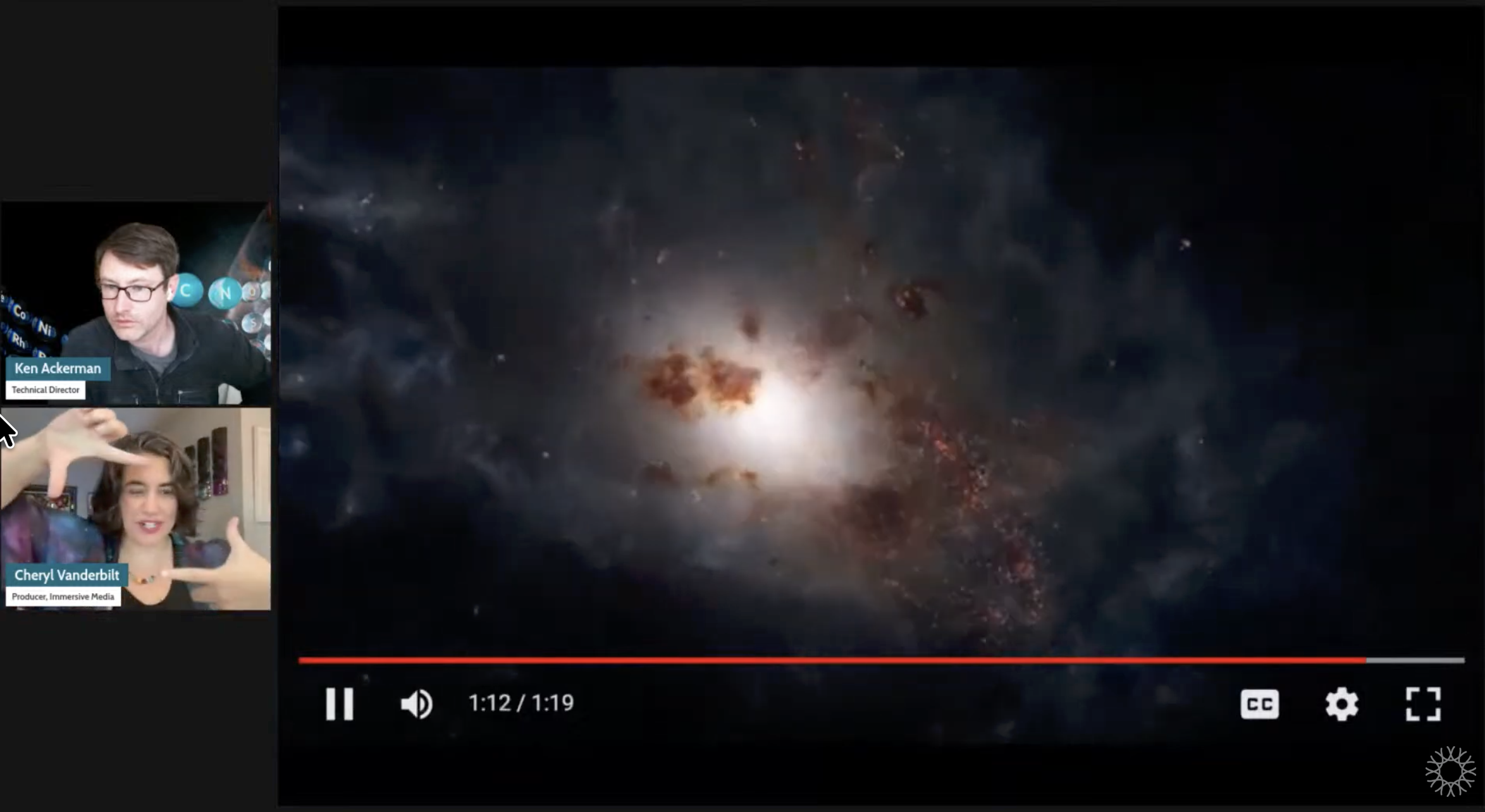
Because the film’s narrative focused heavily on dense scientific mechanics like stellar nucleosynthesis, production initiated a data-driven audience research campaign to baseline K-12 and adult familiarity with the Periodic Table of Elements. The studio conducted formal audience testing and UX feedback loops to refine the visual storytelling, ensuring the final animation designs were both visually stunning and highly accessible to general museum consumers. To optimize this rapid asset iteration process on a lean budget, the team also integrated early-stage AI tools into their development workspace—employing generative scripts as a troubleshooting mechanism to help the technical artists accelerate their custom code-refactoring cadences.
Agile Resource Management & Strategic Co-Production Alliances
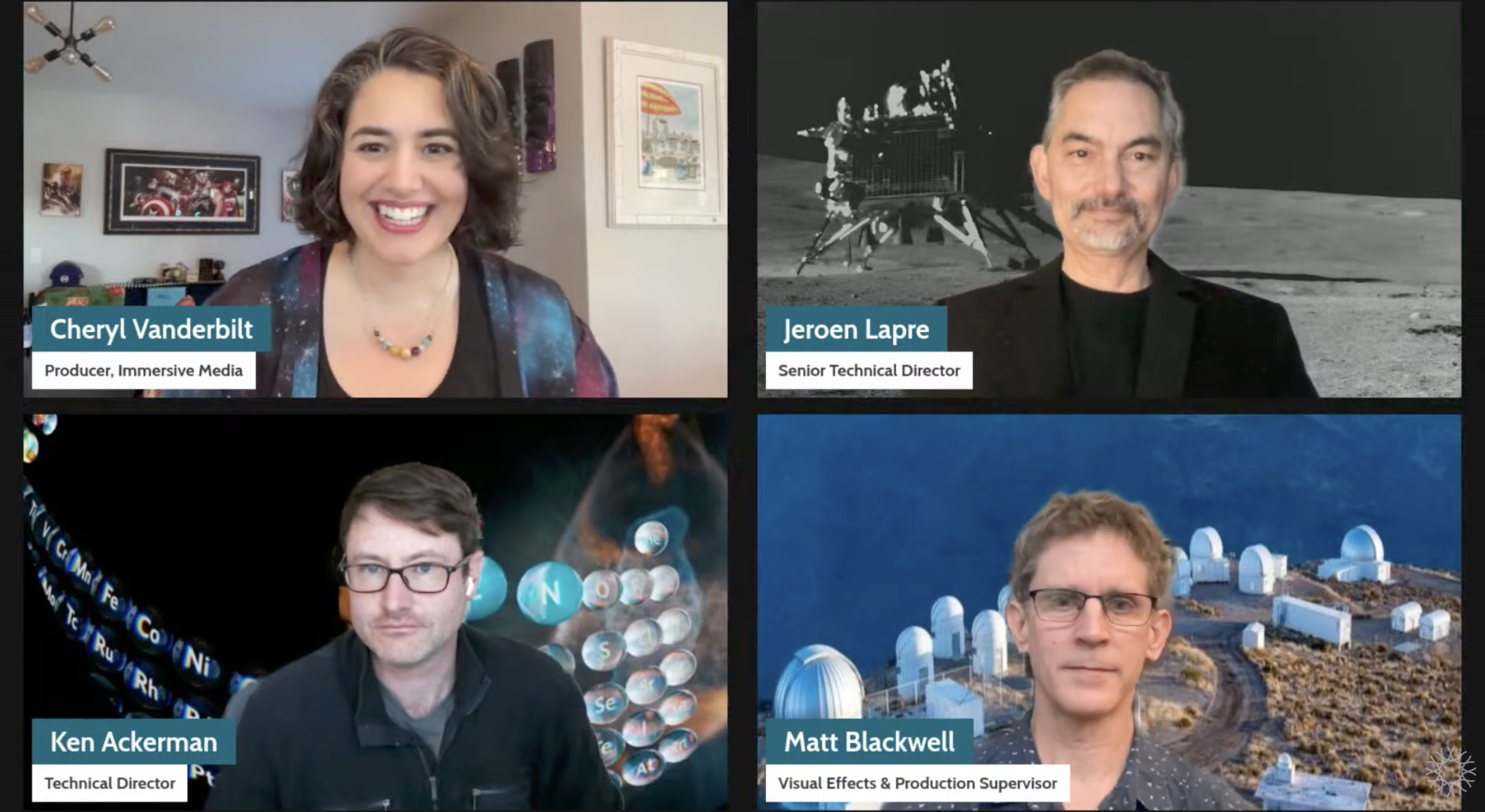
Operating under an aggressive budget framework that precluded the hiring of a dedicated Production Coordinator, the studio relied on a highly adaptable, flat management structure to drive daily operations. My producing duties focused on removing operational roadblocks—managing software/hardware procurement contracts, stabilizing asset tracking, and facilitating bi-monthly individual check-ins to support the creative health of the animators and engineers. To alleviate late-stage rendering backlogs while concurrently supporting the physical exhibits team's editing needs, a strategic alliance was formed with Editorial Producer Molly Michelson. Stepping in as Associate Producer, she co-coordinated a split-responsibility task framework that cleared production backlogs, streamlined daily reviews, and successfully brought this globally celebrated feature to market.