Big Astronomy
Senior Producer
California Academy of Sciences
Visualization Studio
Fulldome Film 2020
Narrated by Bárbara Rojas-Ayala
(in both English & Spanish)
Journey to three world-class observatories in Chile’s rugged Andes Mountains and arid Atacama Desert—remote, extreme regions that happen to have the perfect conditions for astronomical research. Along the way, you’ll meet an inspiring cast of astronomers, engineers, technicians, and support staff who keep these mega-machines running.
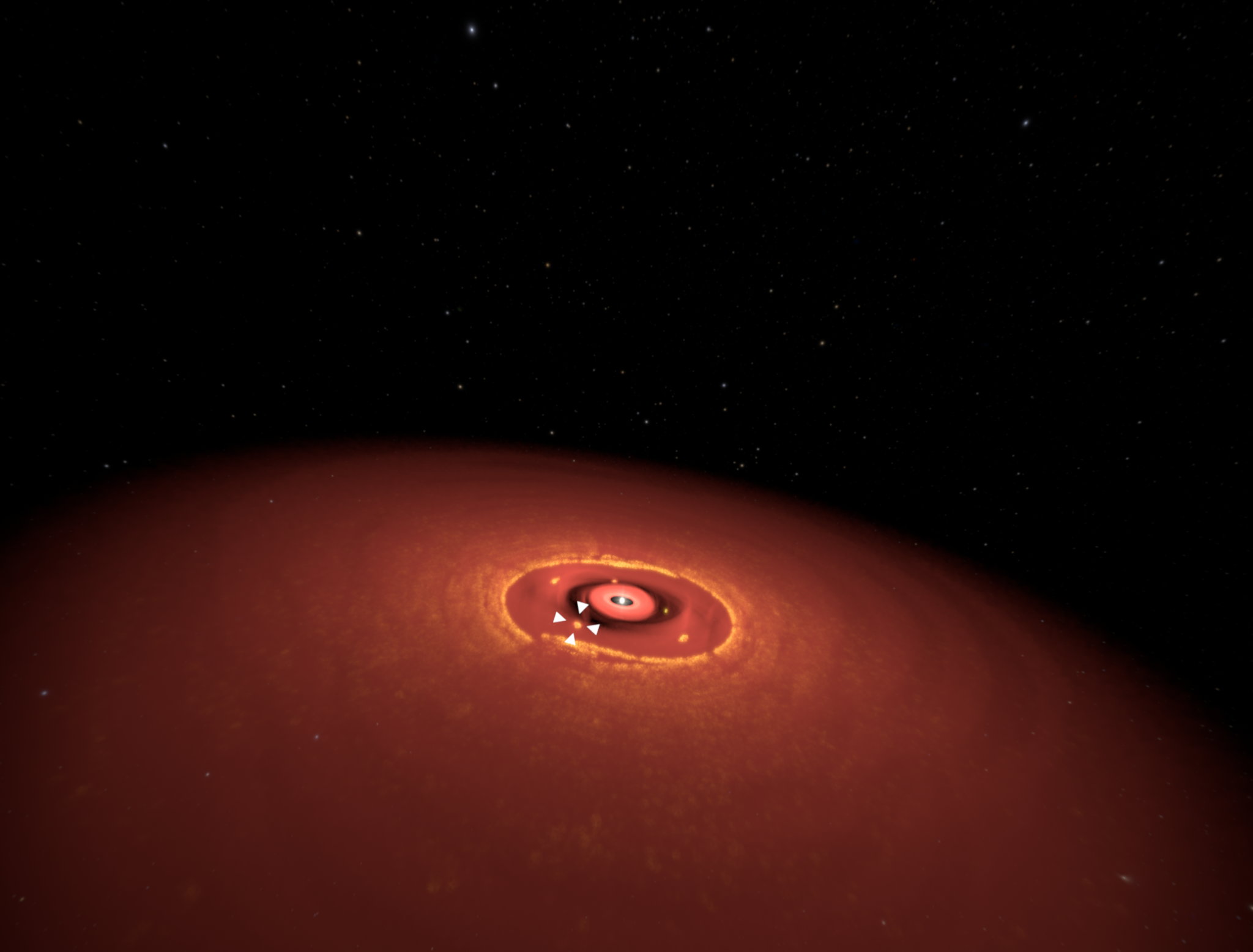
A computer simulation of the planetary disk PDS 70 reveals a gap where planets are taking shape, including one giant planet that appears to be forming moons of its own. | Z. Zhu (UNLV) / California Academy of Sciences
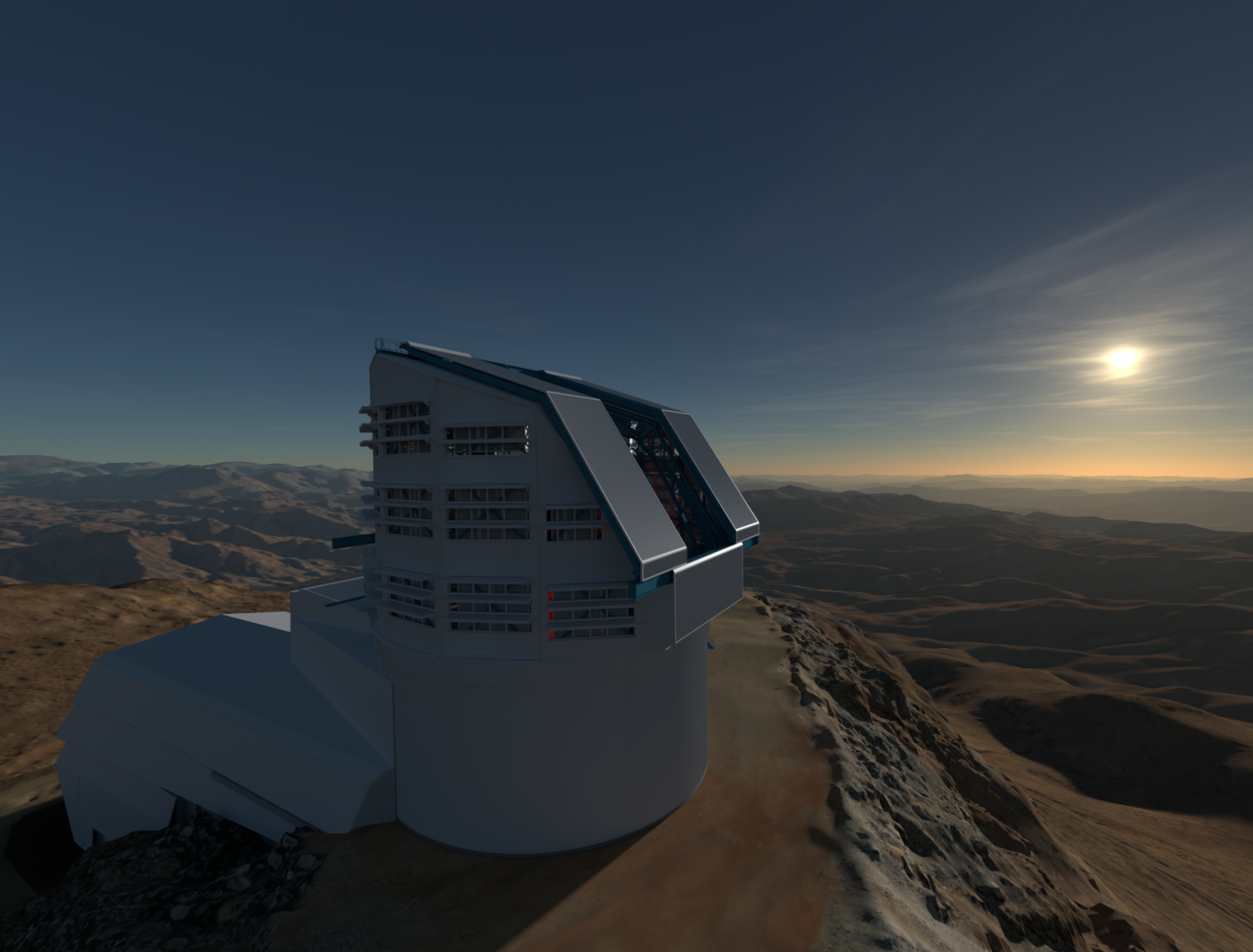
The Vera C. Rubin Observatory on the Cerro Pachón ridge in Chile will feature the largest digital camera ever constructed, designed to survey the entire visible sky every few nights. | California Academy of Sciences
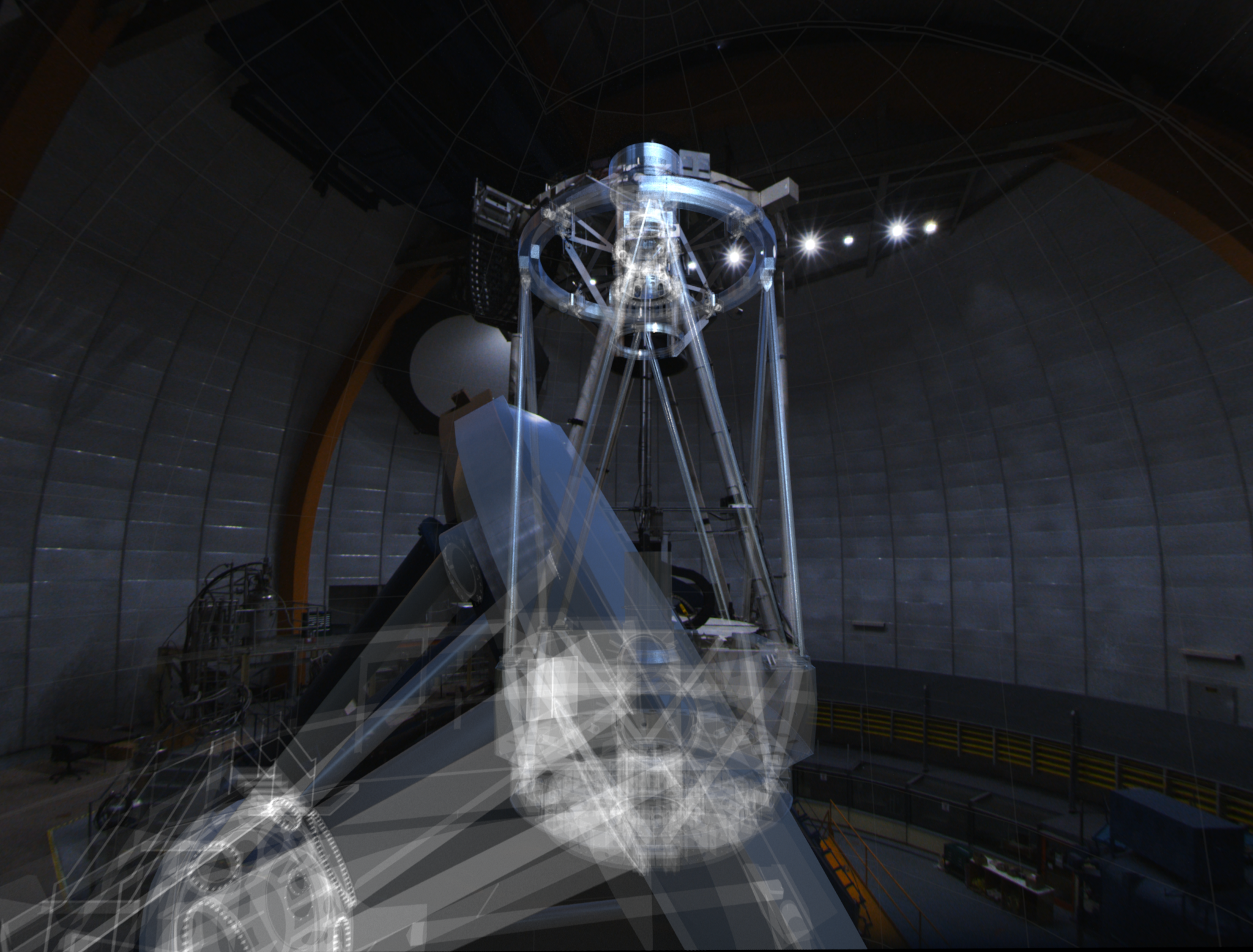
The Victor M. Blanco Telescope at the Cerro Tololo Inter-American Observatory (CTIO) features a four-meter primary mirror (at bottom) the reflects light into the Dark Energy Camera (mounted at top). | California Academy of Sciences
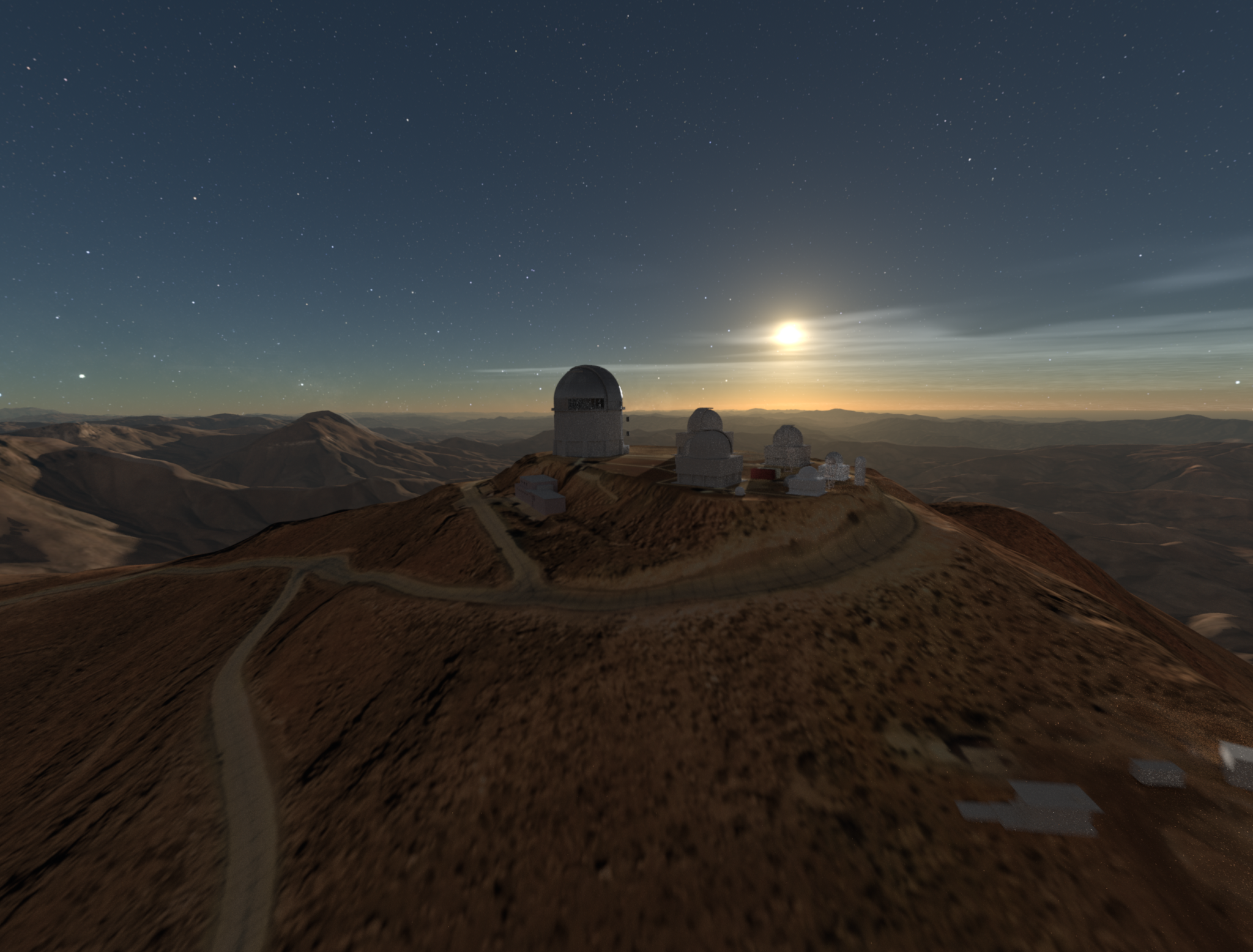
The Cerro Tololo Inter-American Observatory (CTIO) is home to 35 telescopes at an altitude of 2,200 meters (7,200 feet), including the four-meter Victor M. Blanco Telescope located in the largest dome. | California Academy of Sciences
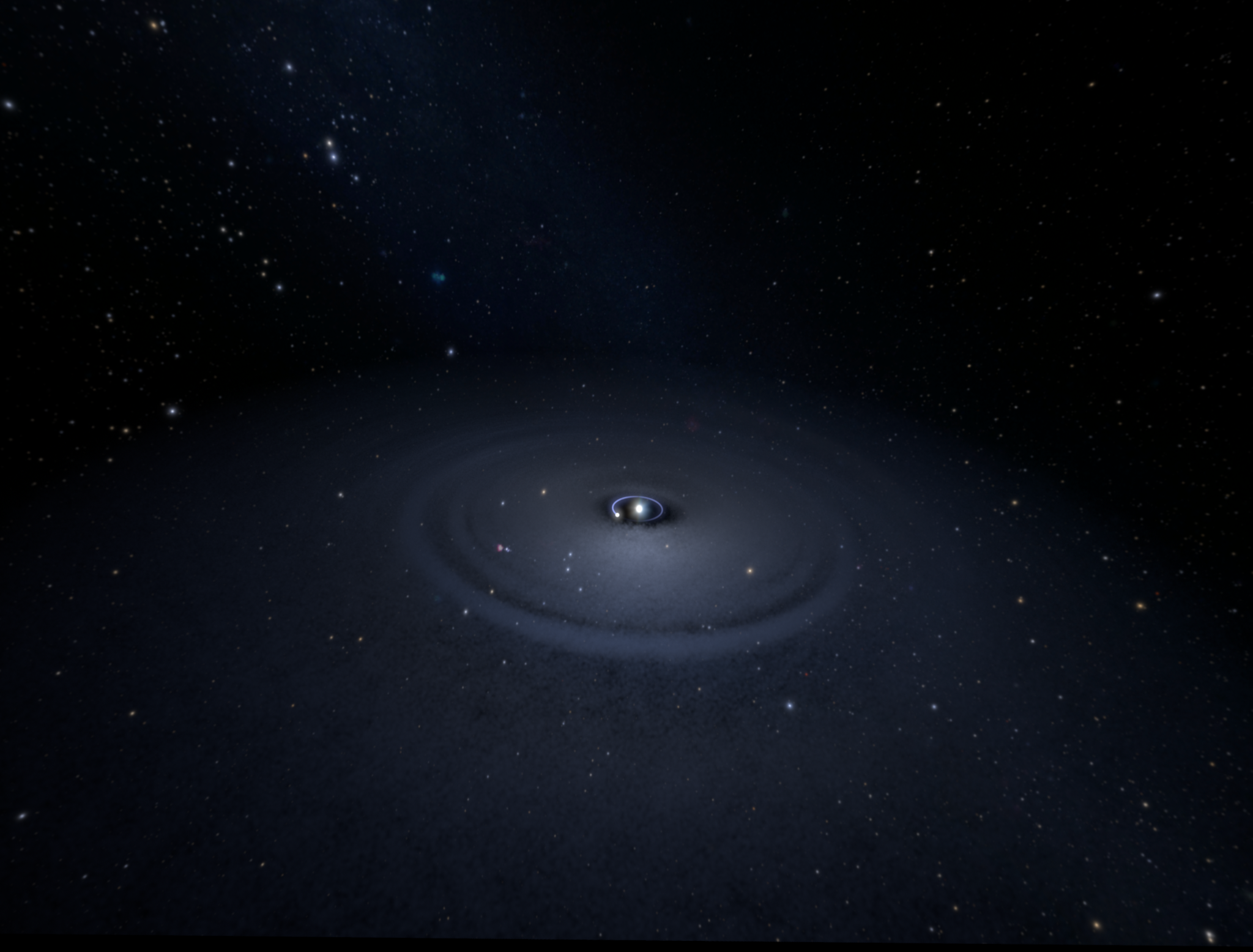
A computer simulation of the Beta Pictoris system shows a diffuse dust disk that has been warped by the gravitational influence of a giant planet (orbit in blue) close to the parent star. | E. Nesvold (Universe Sandbox) / M. Kuchner (NASA GSFC) / California Academy of Sciences
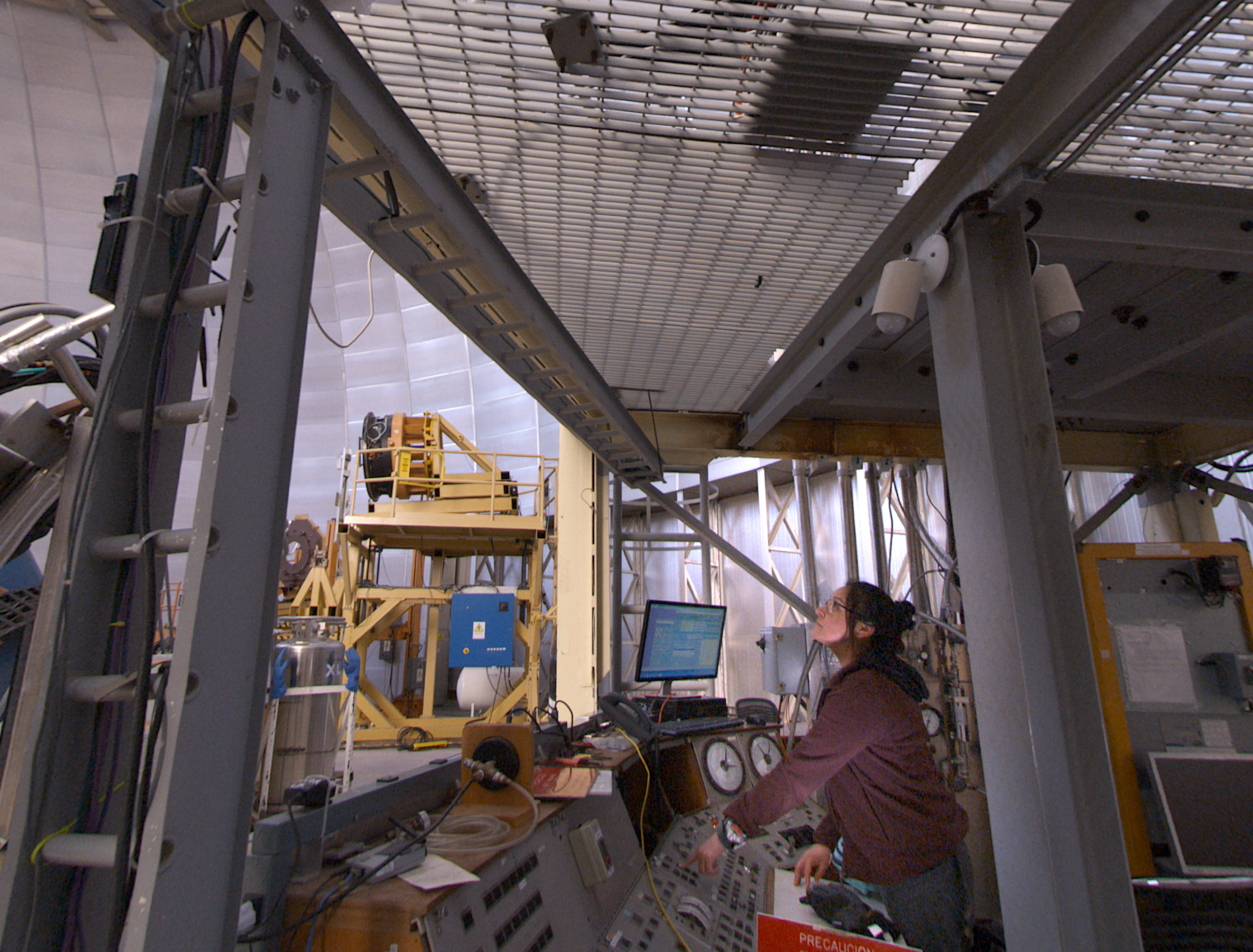
Jacqueline Seron, Assistant Observer at the Cerro Tololo Interamerican Observatory (CTIO), prepares the Victor M. Blanco Telescope for a night of observations. | California Academy of Sciences
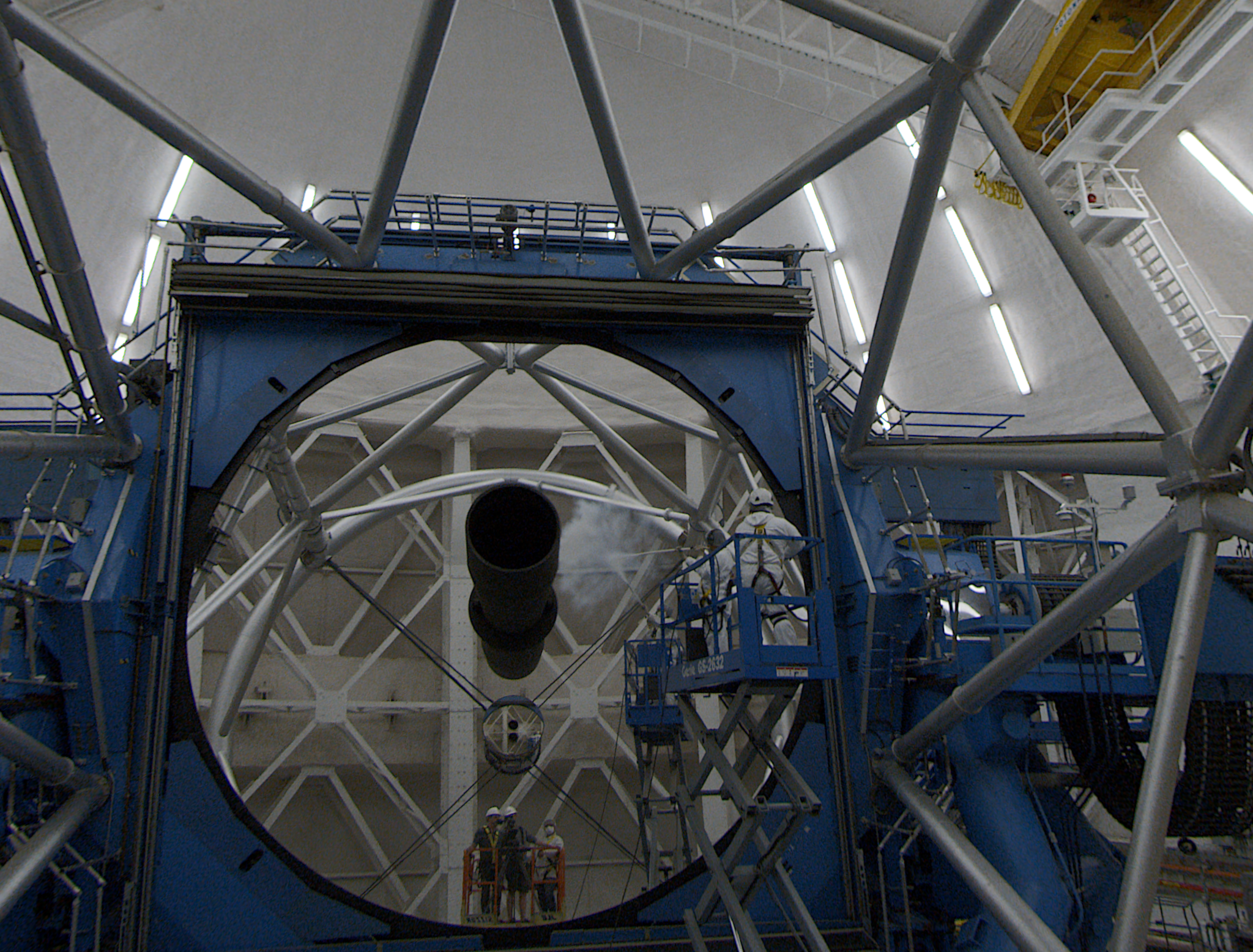
The 8.1-meter mirror of the Gemini Observatory on Cerro Pachón receives its weekly cleaning. | California Academy of Sciences
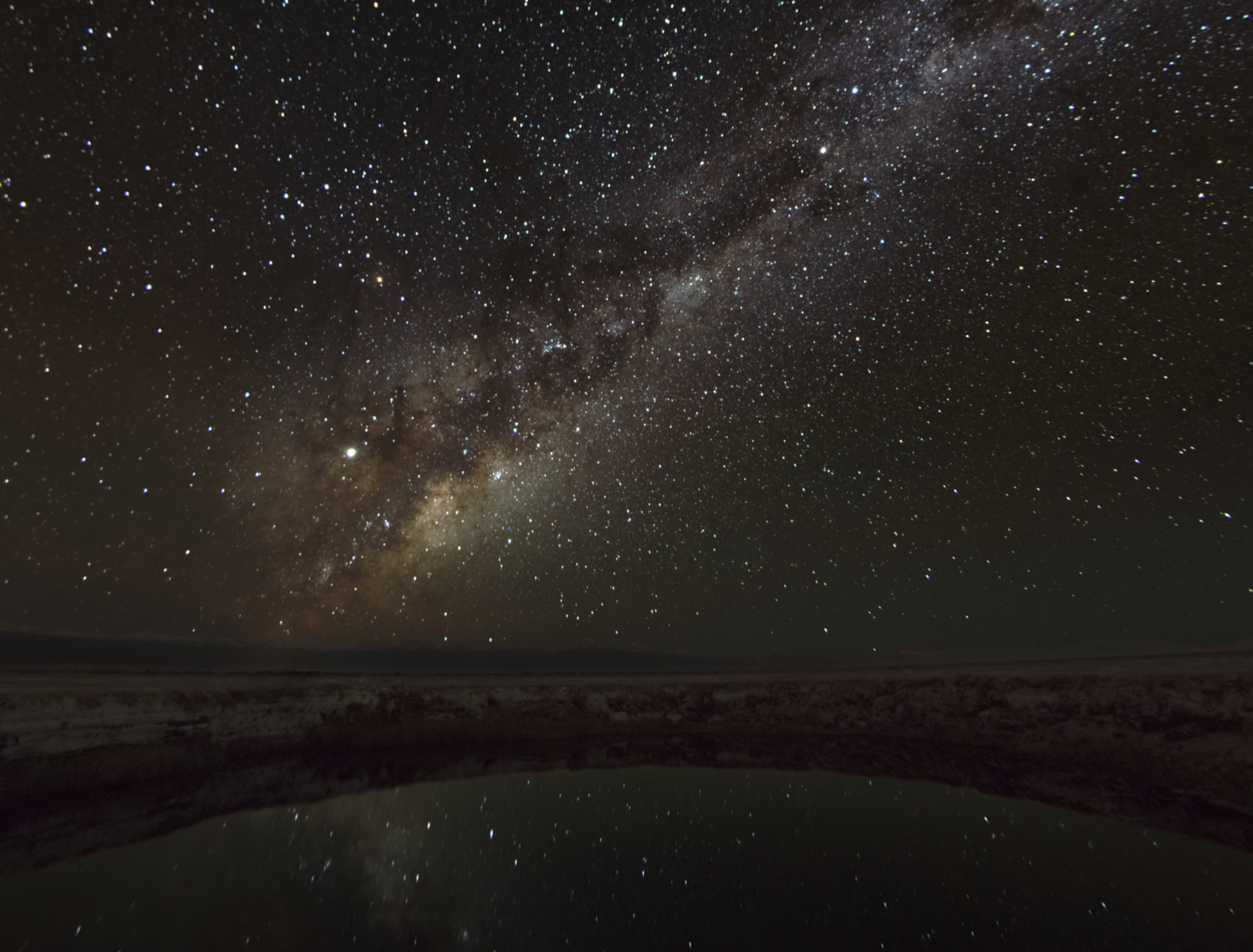
The center of the Milky Way Galaxy rises above the Chilean landscape, reflected in the still waters of the Ojos de Salar in the Atacama Desert. | California Academy of Sciences
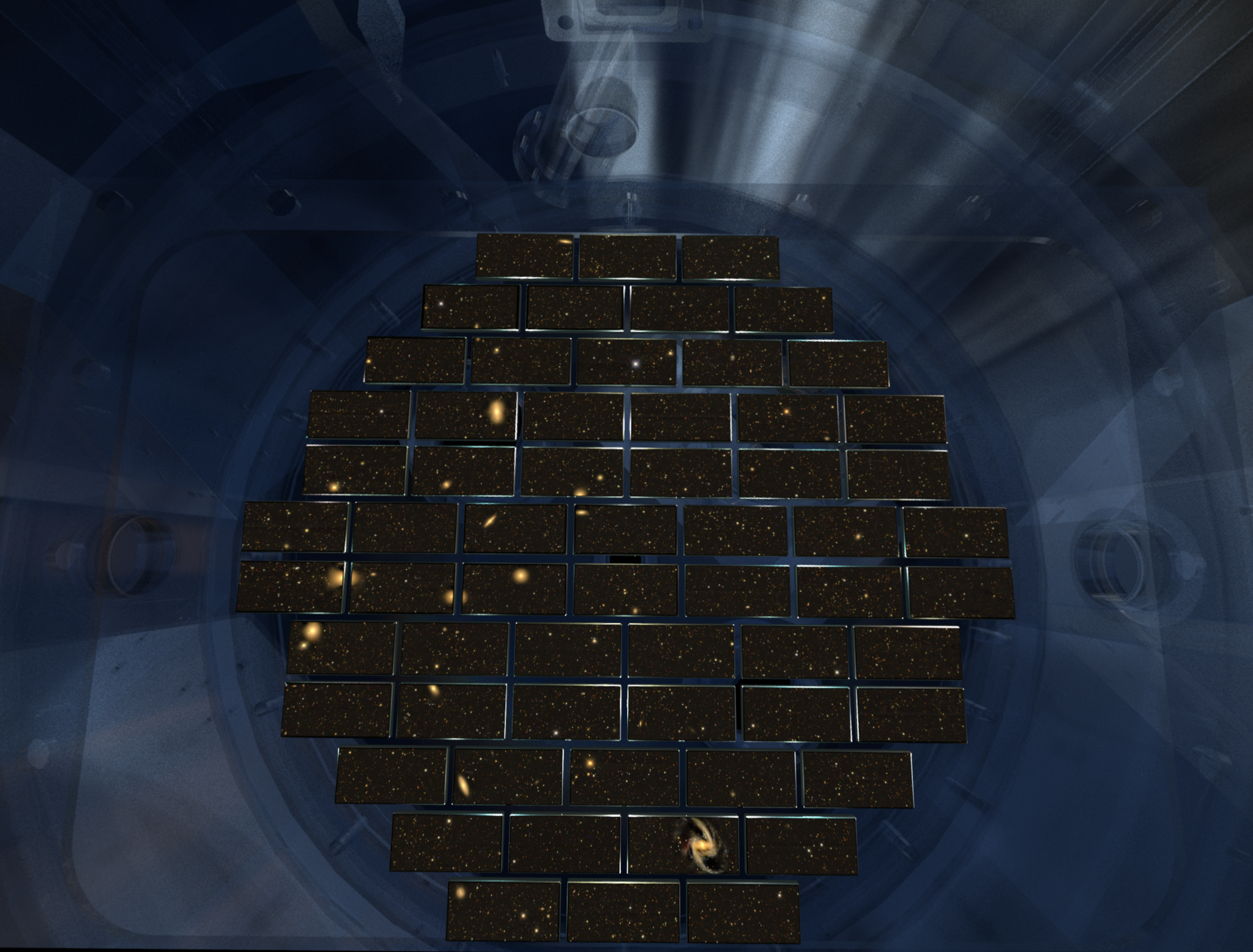
An array of 62 CCDs makes up the imaging element of the Dark Energy Camera mounted on the Victor M. Blanco Telescope at the Cerro Tololo Interamerican Observatory (CTIO). | DES Collaboration / California Academy of Sciences
Production Case Study: Big Astronomy — Orchestrating International Pipelines, Advanced Server Procurement, and Open-Access Distribution Models
Production Mandate: Co-Studio Lead & Technical Production Steward
Funding & Structural Governance: National Science Foundation (NSF) Grant & Subaward Frameworks
Cinematic Discipline: Large-Format Live-Action Fulldome Documentary (Dual-Language: English & Spanish)
Infrastructure Engineered: Secure Remote Work Migration (NoMachine/VPN), Studio Server & Workstation Procurement Contracts, Multi-Cam OBS 360°/VR Live-Stream Architecture
Collaboration Ecosystem: SyncSketch Visual Review Networks, Discord Server Management, Project-Level Alliance with Molly Michelson (Co-Producer Matrix)
Distribution Footprint: Global Open-Access B2B Planetarium Licensing Networks & National Science Foundation Partner Repositories
International Live-Action Pipeline Engineering
Entering the project initially as Production Manager, I coordinated critical early-stage mechanics—overseeing camera testing parameters, equipment rental suites, and the complex logistical blueprints required to deploy a large-scale production crew to world-class observatories in Chile. Following a sudden, mid-cycle leadership vacancy, Editorial Producer Molly Michelson and I established a co-leadership alliance to stabilize the studio. Together, we rapidly scaled up operations to meet upcoming international filming milestones. Because this property marked the studio’s first departure from pre-rendered animation into live-action documentary storytelling, we led a steep technical transition, managing the procurement of cutting-edge high-end digital camera packages and establishing strict budget matrices for cross-continental travel, multi-lingual editorial tracking, and specialized external contractor integration.
Computational Infrastructure & Tactical Asset Management
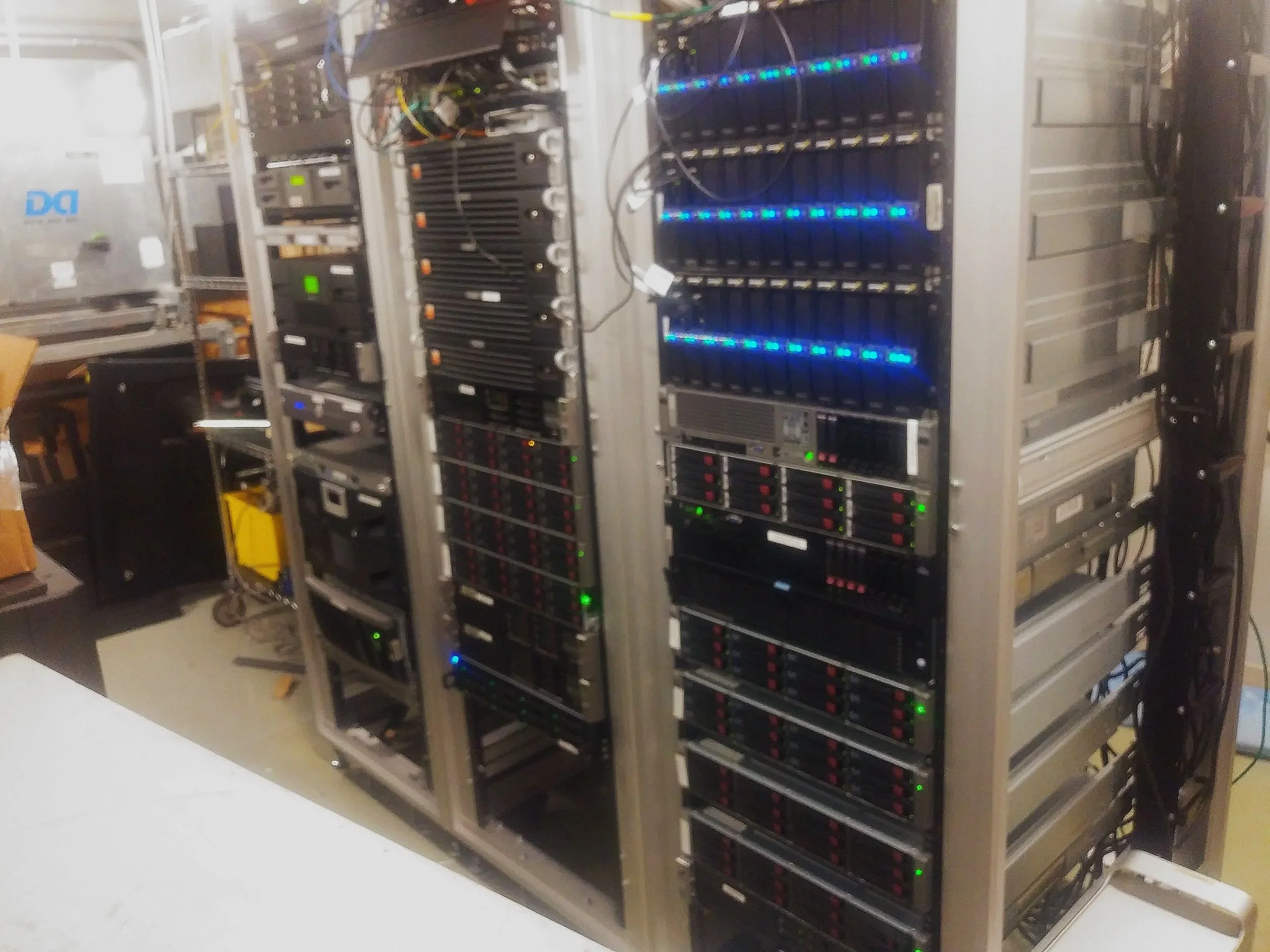
To support the massive data density of 4K/8K uncompressed live-action fulldome footage, the studio’s aging computational infrastructure required immediate modernization. I architected a strategic funding and procurement structure to completely refresh the pipeline, bringing on an additional systems engineer to help build and deploy new, high-performance artist workstations. When the pandemic threatened global hardware supply chains and exhausted existing storage arrays, I negotiated a critical budget-saving agreement with an enterprise vendor—securing a previous-year high-capacity server model at a drastically reduced discount to replace our failing legacy unit without exceeding our lean fiscal boundaries.
Emergency Remote Workspace Architecture
When sudden public health mandates abruptly shut down the physical studio near the end of production, immediate intervention was required to safeguard the asset. Prioritizing data security and continuity, I secured physical high-density backup arrays on-site before the building closed, ensuring the artists retained local access to core project files. Collaborating closely with our lead engineer, we built a highly stable, remote production ecosystem utilizing NoMachine and secure VPN tunneling. To maintain team alignment across a distributed workspace, we successfully transitioned the production engine to Discord for layered department communication, while migrating daily high-resolution visual sync, asset annotations, and collaborative reviews onto the SyncSketch platform.
Virtual Premiere & Global Open-Access Distribution
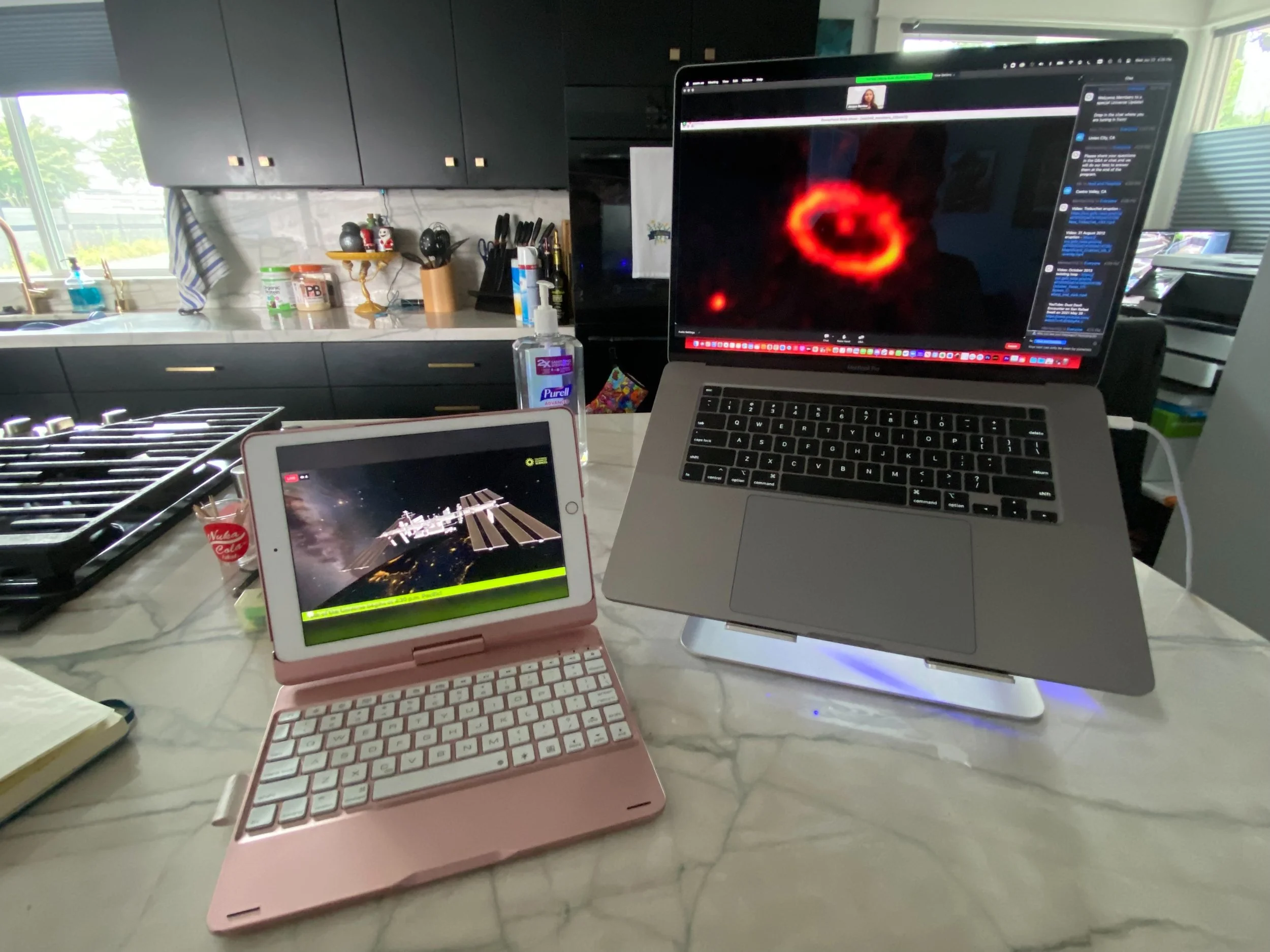
With physical museums closed globally, the scheduled theatrical premiere was delayed by six months and re-engineered as an entirely digital, open-access virtual event. To replicate the immersive, spherical perspective of a 75-foot physical planetarium dome for a global audience, I directed the technical streaming pipeline using OBS, optimizing all multi-lingual video assets and personally operating the live broadcast switcher as the session engineer. Simultaneously, production facilitated the creation of high-value behind-the-scenes "making-of" content to support the live panel discussion. Following the successful launch, the team managed the complex compliance standards required to package and distribute the film for free to requesting planetariums worldwide under our National Science Foundation mandate—preserving institutional copyright while establishing a global, democratic educational pipeline.